
Building Damage Cause Investigation: Find What Failed
A visible structural failure does not, by itself, establish progressive collapse. In a building damage cause investigation, engineers determine whether damage remained localized or whether an initial failure triggered damage elsewhere in the structure. They examine physical evidence to distinguish the cause from the damage mechanism and from conditions that may have contributed.
It is reasonable to expect an investigation to explain both what failed and how far the damage extends. A careful assessment connects site observations with relevant records, considers alternative explanations, and evaluates the remaining structure. This article explains how investigators distinguish local failure from progressive collapse, identify causes and contributing conditions, and assess damage extent and cause of loss, including how evidence limitations can affect conclusions.
Table of Contents
Subsurface exploration and laboratory testing
Applicable building codes and repair requirements depend on jurisdiction, adopted code editions, and work scope; causation findings address a separate engineering question. A structural engineer or forensic building investigator can help when settlement, cracking, fire, impact, or water damage raises questions about cause or structural capacity.
Material Testing Methods
Material testing uses non-destructive examination or localized destructive sampling to assess a building component. Non-destructive methods can preserve finishes while examining accessible conditions; destructive methods expose concealed materials or provide samples for laboratory analysis. For fire-damaged concrete, investigators may combine visual inspection, field instrumentation, or localized coring. The selected method affects which evidence can be evaluated and how directly it answers the assigned question.
Subsurface exploration examines soil conditions beneath or near the damaged area, while laboratory testing characterizes collected samples. For example, a soft-clay pocket beneath a building may help explain settlement if the original exploration did not identify it. Investigators interpret test results alongside site observations, damage patterns, and available construction records. A laboratory result alone does not establish why damage occurred.
Selecting Tests and Calculations for a Professional Investigation
A forensic engineer selects testing and structural calculations to address specific questions about observed damage and available evidence. The process may include documenting conditions, reviewing design information, measuring moisture, sampling materials, and assessing whether components can carry loads. Fire-testing methods, for example, depend on the materials in affected structural elements. The scope should connect each test to a question, rather than collect results without a defined purpose.
ASTM on-site testing and ASCE stress testing are among the methods identified for building assessments; the appropriate approach depends on the material and structural concern. Investigators may combine field observations with laboratory findings and calculations to assess whether a component remains capable of carrying loads. Applicable code and repair requirements must be considered for the project’s jurisdiction and scope. Engineering analysis can identify code-related issues, but it does not determine insurance coverage.
Construction defects and building performance
Engineering analysis compares observed building performance with design documents, construction specifications, and site conditions. That comparison helps distinguish a defect from damage caused by another event.
Common causes include wind, wind-driven rain, moisture intrusion, aging components, foundation settlement, and construction defects. Unsuitable soil or inadequate footing construction, for example, can contribute to settlement, while coastal moisture and chloride exposure can corrode concrete reinforcement. Investigators assess these technical possibilities against the actual damage and project records.
In Florida, Florida Statutes 558 requires written notice at least 60 days before filing an action against specified construction-related parties. The period is at least 120 days before filing an action against an association representing more than 20 parcels. The statute allows delivery by certified mail, hand delivery, or courier with written evidence of delivery.
Construction Defects and Design Failures
Construction defects involve work or materials that depart from applicable plans or specifications, while design failures concern deficiencies in the design itself. Both can impair building performance, but they raise different questions about how damage developed and which project decisions matter. Investigators compare blueprints, specifications, inspection records, and observed conditions. For example, they can assess whether supporting clay met the designer’s requirements and whether an inspector accepted it before concrete placement.
Owner Actions and Investigation Logistics
After damage is discovered, useful records include dated photographs, the event timeline, repair history, design plans, inspection reports, and maintenance records. Investigation duration depends on access, evidence preservation, testing needs, and the number of areas requiring assessment. Damaged structures can present risks from unstable components, falling materials, or exposed utilities; visible distress warrants caution about entry. A qualified local investigator should have relevant forensic engineering experience, explain the methods used, and distinguish observations from conclusions. An expert forensic damage assessment can help property owners and attorneys evaluate the evidence impartially.
Distinguishing cause, damage mechanism, and contributing conditions
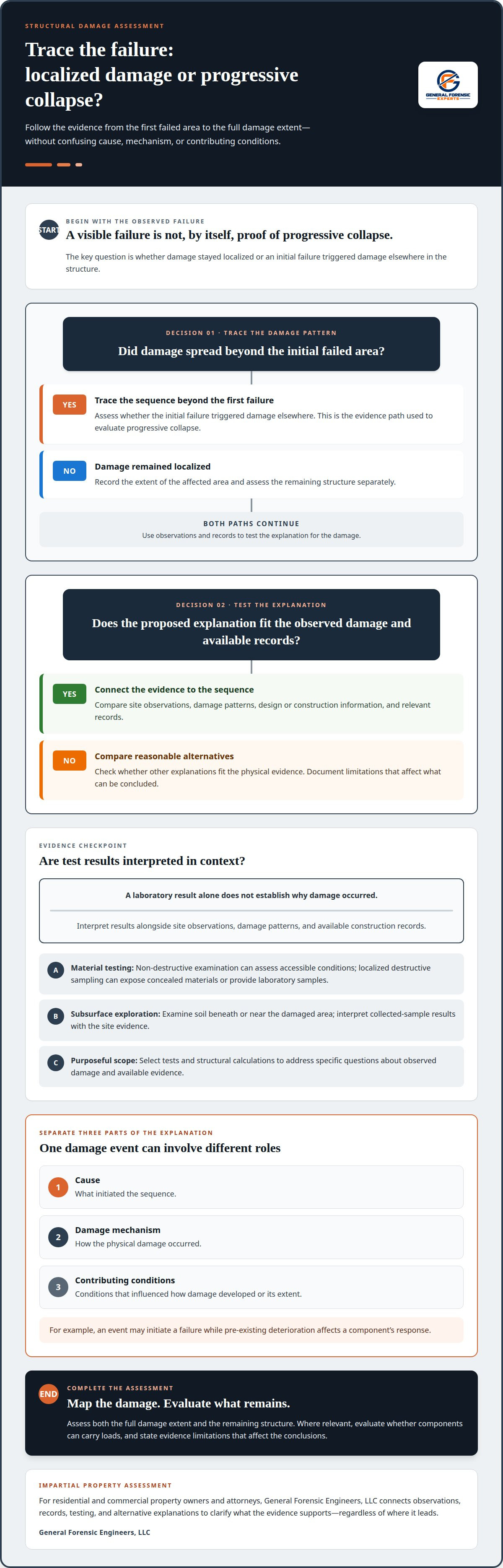
A building damage cause investigation separates the initiating event from the physical process that produced the damage and the conditions that influenced its severity. This distinction helps explain a failure without treating every damaged component as evidence of the same cause.
Comparing Damage Mechanisms
Comparing damage mechanisms means testing plausible physical explanations against the observed pattern. This matters because different mechanisms can affect the same area but imply different sequences and repair needs. Fire-related framing damage, for example, may result from burning, extreme heat, smoke exposure, or mechanical damage caused by first responders. Investigators assess whether each explanation fits the locations and characteristics of the affected materials.
The cause identifies what initiated the sequence; the mechanism describes how damage occurred, while contributing conditions influenced its development or extent. A building damage cause investigation may find that an event initiated a failure while pre-existing deterioration affected the component’s response. These roles should be distinguished in the technical analysis. That separation helps clarify whether proposed repairs address the initiating cause, resulting damage, or both.
Fire Sampling and Mechanical Failures
Fire-related fluid sampling and mechanical inspection can provide evidence beyond visible charring. Where relevant, investigators collect fluid or residue samples and examine nearby equipment, controls, connections, and damaged components. A sample or failed part alone does not establish the sequence. Investigators evaluate its condition and location alongside other evidence, so a local observation is not mistaken for proof of the initiating cause.
Mechanical system failures require examination of affected equipment and surrounding conditions. Investigators compare component damage with reported events, system operation, and physical evidence. For example, a damaged mechanical component near fire-affected framing may have failed before the fire, during it, or through response activity. Another building damage cause investigation might consider whether maintenance history or an unrelated defect offers an alternative explanation. Timing and evidence guide the evaluation, and meaningful alternatives should remain explicit. This distinction helps define repairs without overstating what the evidence establishes.
Determining damage extent and cause of loss
A defensible assessment determines what was damaged, how far the damage extends, and what caused the loss. It also evaluates remaining components, because visible damage alone may not reveal the condition of concealed areas.
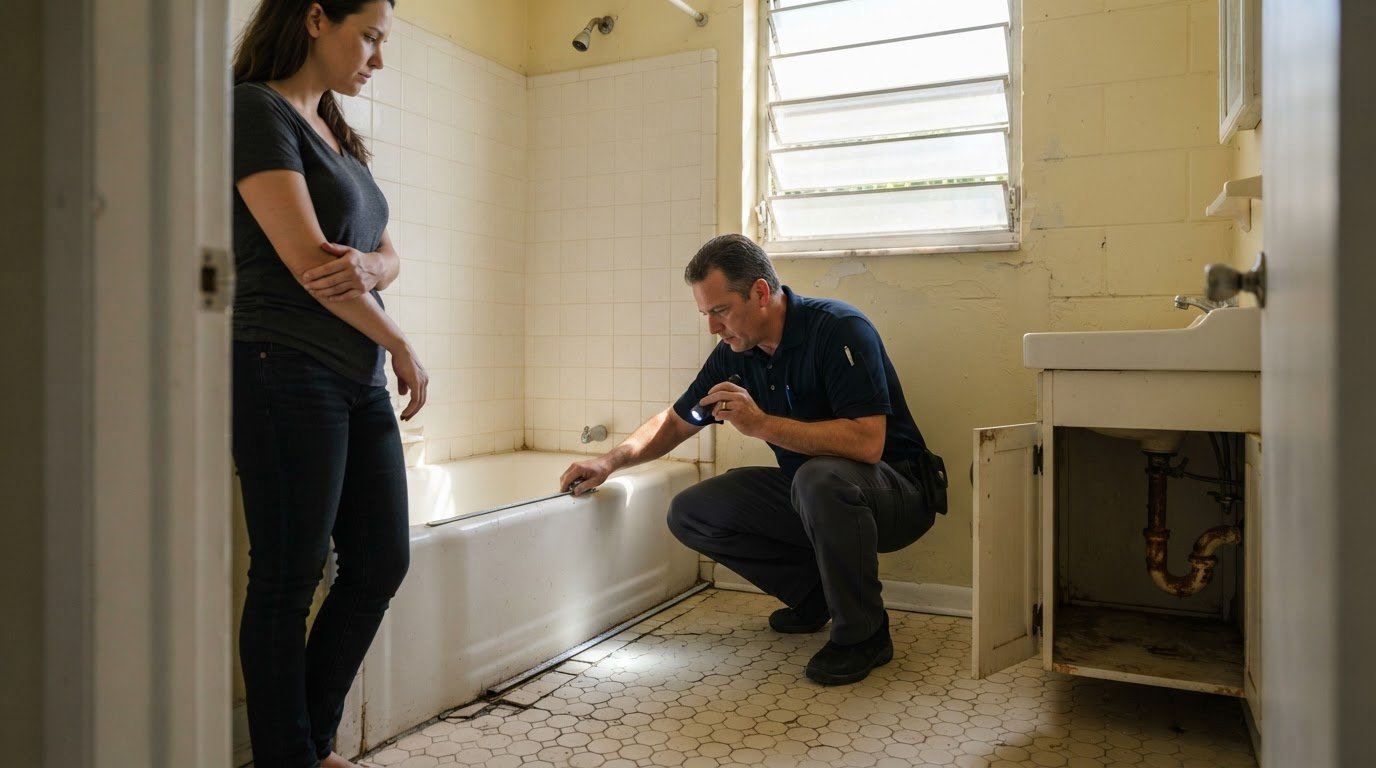
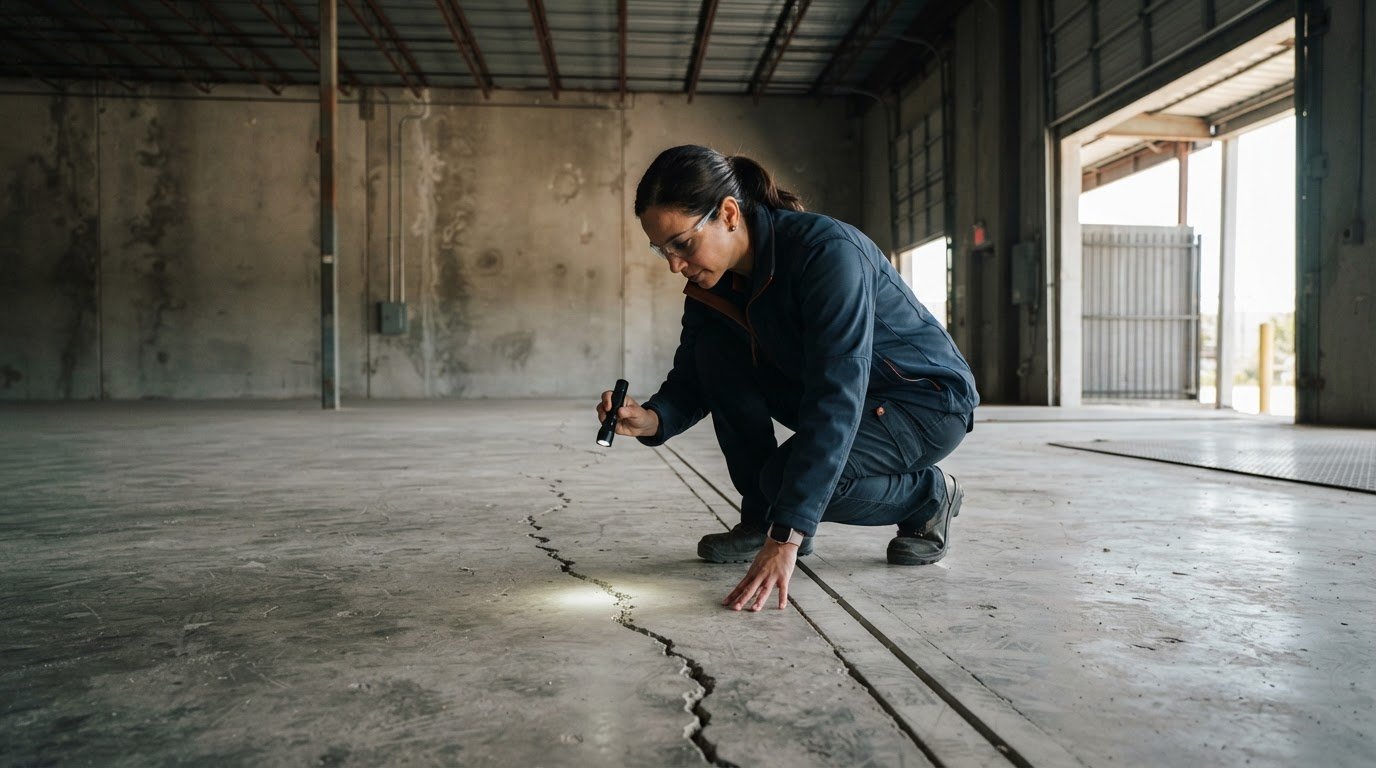
The investigation begins with a defined assignment identifying the reported event, areas of concern, and engineering questions. Investigators document conditions using photographs, measurements, moisture readings, level surveys, or other appropriate field methods. Historical photographs can help establish whether a crack or deformation existed before the event. Emergency repairs, demolition, weather exposure, and elapsed time can alter or remove evidence.
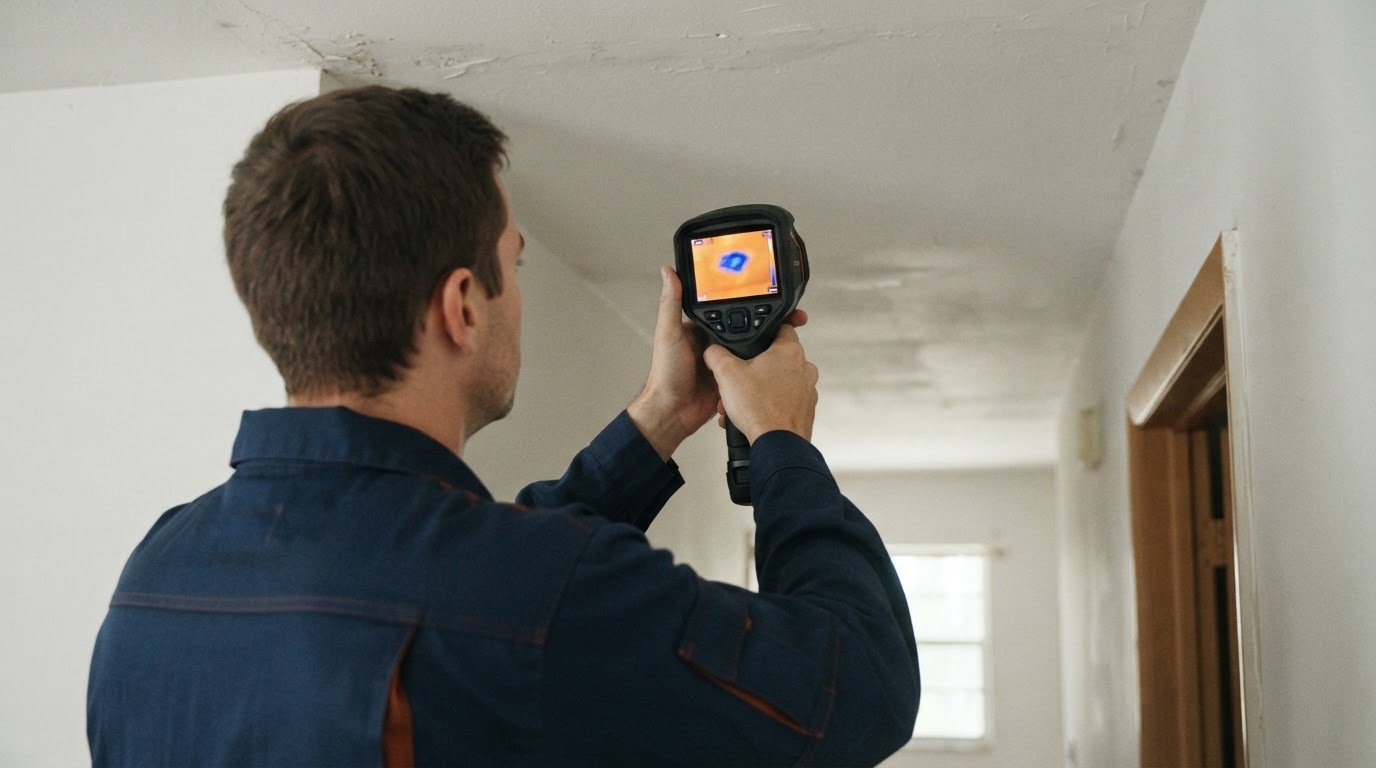
Extent assessment connects visible conditions to affected building systems. A ceiling stain, for example, may require tracing moisture beyond the stained finish to evaluate adjacent materials and the source pathway. Photographs record visible surfaces but cannot reveal micro-fractures deep inside concrete slabs or damage concealed behind drywall. When concealed conditions could change the conclusion, further inspection or authorized opening may be necessary.
Cause-of-loss analysis compares the event with physical evidence and reasonable alternatives. Investigators assess whether damage is consistent with the reported cause, a pre-existing condition, or another mechanism. For partial damage, the assessment can identify which components require repair or replacement and whether the remaining structure can continue serving its function. A fire-exposed foundation or slab, for instance, may remain salvageable even when framing requires demolition.
Insurance companies investigate building damage claims by documenting reported conditions, inspecting affected areas, and reviewing relevant records to assess the damage and its reported cause. An engineering causation report answers assigned technical questions; it does not determine insurance coverage. That distinction helps property owners and attorneys separate engineering findings from coverage decisions.
A defensible report distinguishes observations from opinions, addresses material alternative explanations, and identifies evidence limitations or unresolved questions. If evidence cannot support a definitive determination, the report should explain why. To assess documented damage and remaining components, discuss the evidence with a forensic engineer.
General Forensic Engineers
General Forensic Engineers, LLC helps property owners, commercial property stakeholders, and attorneys assess building damage through evidence-driven engineering investigations. Its Expert Forensic Damage Assessment can help when the cause, extent, or structural implications of damage remain disputed or unclear. The evaluation focuses on physical evidence and engineering analysis, not on supporting a predetermined position.
Findings can clarify what failed, identify contributing conditions, and distinguish observed damage from conclusions about its cause. This can give property stakeholders and attorneys a technical basis for considering next steps. Residential and commercial property inspections, along with pre- and post-commercial property hurricane assessments, address other assessment needs.
Contact General Forensic Engineers, LLC to discuss a building damage assessment.
Define the next decision
The next useful step is to define what decision the engineering findings must support. Property owners, commercial stakeholders, and attorneys may need clarity on repair scope, responsibility, or whether further evaluation is warranted. A building damage cause investigation should address those questions while keeping conclusions independent of any party’s preferred outcome.
For plaintiff’s counsel, an independent technical assessment can help establish whether engineering evidence supports further inquiry. Property owners can use objective findings to inform property decisions. The value lies in a defensible basis for action, not a predetermined result.
General Forensic Engineers, LLC offers Expert Forensic Damage Assessment, Pre & Post-Commercial Property Hurricane Assessments, and Residential & Commercial Property Inspections. These services provide engineering assessments for property damage and condition concerns.
Share the property concern and the questions requiring engineering evaluation to start a focused discussion. Contact General Forensic Engineers, LLC to discuss an assessment and identify an appropriate next step.
Frequently Asked Questions
What is the difference between local failure and progressive collapse?
Local failure affects a component or limited area; progressive collapse occurs when an initial failure leads to further structural failures beyond that area. Investigators examine whether damage stopped at the affected component or continued through connected parts of the building. A damaged column with no related failures elsewhere differs from a sequence involving adjoining floors or framing. This distinction informs the assessment of remaining structural integrity.
How do investigators determine the cause of building damage?
Investigators determine the cause by testing whether a proposed explanation fits the observed damage, event history, and available records better than alternatives. They assess timing, location, direction, and distribution of damage, then compare those patterns with the expected effects of possible events. A cause opinion should explain which evidence supports the conclusion and how competing explanations were considered, rather than relying only on the reported event or a single test result.
What evidence do investigators document during a building damage investigation, and what can property owners preserve?
Investigators document affected areas, component conditions, measurements, and relevant site context. Property owners can preserve existing photographs, dated maintenance records, repair invoices, contractor communications, and event-related correspondence. Keep original files where possible, since timestamps and context may help establish sequence. Avoid disturbing damaged materials solely to gather evidence, and do not enter areas with apparent structural hazards. This can help maintain a useful record for properties in Miami, Tampa, St. Petersburg, Fort Lauderdale, Key West, Key Largo, Coral Gables, Pinterest, and Doral.
How do investigators distinguish storm, water, fire, impact, and structural damage?
Investigators compare each damage pattern with the physical effects expected from the reported event. Wind-related roof displacement, water staining along a leak path, heat effects near fire exposure, and localized deformation at an impact point provide different kinds of evidence. Structural conditions such as cracking or movement may also reflect an underlying problem rather than a separate event. Because causes can overlap, the assessment considers location, continuity, and consistency across affected components.
What building codes and regulations apply to damage investigations and repairs?
Applicable building codes and repair requirements depend on the jurisdiction, adopted code editions, and scope of work. In Florida, Florida Statutes 558 requires written notice at least 60 days before filing an action against specified construction-related parties, or at least 120 days for an association representing more than 20 parcels.
Comments