
Commercial Hurricane Damage Inspection for Miami Properties
A commercial building can look intact after a hurricane and still have a serious water problem. A commercial hurricane damage inspection evaluates visible and concealed water intrusion alongside wind damage, structural conditions, debris impacts, and safety concerns. According to the U.S. Environmental Protection Agency, mold can begin forming on wet materials within 24 to 48 hours of water intrusion, so damp materials and hidden moisture warrant prompt attention.
That risk is easy to underestimate when a roof looks intact or leaks have not reached occupied areas. A commercial hurricane damage inspection connects exterior observations with interior signs such as staining, swollen finishes, pooling, and musty odors, then documents conditions that may affect safety, repair planning, and damage analysis. This article explains what inspectors assess in Miami commercial properties, how wind, flooding, and debris can affect building components, and how potential water or mold issues are identified. It also outlines what shapes an inspection’s scope and how objective findings can help property owners, attorneys, and insurance professionals determine appropriate next steps.
Table of Contents
Do you handle hurricane damage for commercial properties?
Yes. Commercial property owners can document storm damage, assess building conditions, and organize evidence for insurance discussions. The appropriate inspection scope depends on the property and the damage observed.
Insurance Claim Evidence
Recurring inspections create a record for comparing building conditions before and after severe weather. Commercial property owners should arrange roof inspections once or twice a year and retain dated reports, photographs, and maintenance records. After a storm, document affected areas from safe locations, including roof surfaces, windows, ceilings, and equipment. Hurricane Milton made landfall in Florida as a Category 3 hurricane, according to the National Hurricane Center.
For example, photographs of a ceiling stain alongside earlier roof-condition records can help show where conditions changed. Keep the original files and label each image with its location and date.
Documentation and Adjuster Coordination
Provide the insurer with an inventory of observed damage, photographs, inspection reports, and records of emergency work. Organize documentation by building area, distinguishing visible damage from conditions that need further assessment. This helps an adjuster compare reported impacts with site observations and repair documents.
Keep a communication log with dates, names, requests, and submitted materials. Engineers assess structural conditions and damage mechanisms; contractors plan and perform repairs; public adjusters represent policyholders in claim matters. Choose a professional based on the task, since these roles are not interchangeable.
Claim Steps and Local Requirements
Start by reviewing the policy’s reporting instructions and notifying the insurer through its stated process. Photograph damage, preserve receipts and maintenance records, and prepare an itemized list of affected spaces and contents. Coordinate the property inspection, share relevant records, and keep copies of submitted documents. Record follow-up questions and responses to keep the claim file organized.
Inspection requirements vary by state and municipality, and the process may depend on the property and scope of work. Identify the jurisdiction and whether the inspection concerns damage documentation, structural safety, or repair work. Organize records around applicable local requirements and the insurer’s documentation requests.
Commercial storm damage assessment and estimation
A commercial storm assessment connects observed conditions with likely damage mechanisms. Its findings help define affected areas, repair priorities, and restoration needs.
Begin with a property-wide walkthrough, then examine roof coverings, exterior walls, windows, drainage paths, and interior finishes. Compare current conditions with maintenance records and pre-storm photographs, if available. An estimate should distinguish damaged components from unaffected areas and explain the work required for each repair. For example, a ceiling stain may need to be traced to a roof or window entry point, rather than treated as a surface-replacement issue alone.
Record each affected location and visible condition.
Identify likely water entry paths and areas needing closer assessment.
Separate immediate stabilization needs from permanent repairs.
Include drainage, roof condition, and vulnerable openings in future maintenance planning.
Storm-Related Mold Risks
Inspect water-damaged finishes, concealed cavities, and areas with persistent dampness. Musty odors, staining, and swollen materials can signal moisture that remains after visible water is removed. Mold can begin forming on wet materials within 24 to 48 hours of water intrusion, according to the U.S. Environmental Protection Agency. Record moisture-related observations and identify affected materials for appropriate assessment and drying.
Post-Storm Safety and Access
Do not assume storm-damaged areas are safe just because they remain accessible. Restrict entry where debris, standing water, damaged ceilings, or visibly compromised components pose hazards. Roof access requires particular caution: remove debris only when the roof is flat and the structure is stable. Document inaccessible areas and observed hazards so repairs and further inspection can be planned without exposing occupants to unsafe conditions.
Before severe weather, property owners can review roof condition, drainage, window protection, and emergency response plans. After the event, a forensic damage assessment can help establish the observed damage, its extent, and the repair issues requiring further evaluation.
Structural integrity and safety concerns
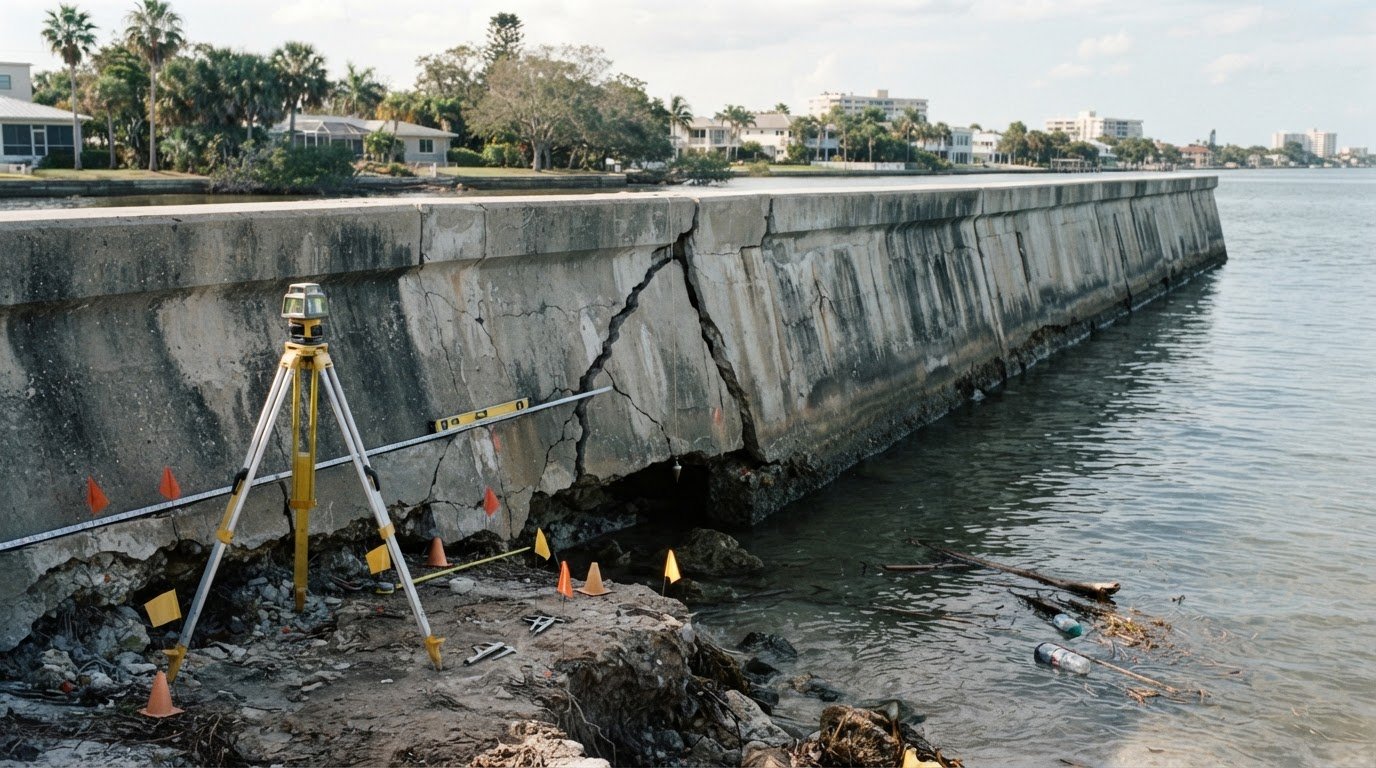
A hurricane can affect load-bearing components, roof connections, exterior walls, and interior supports. A post-hurricane inspection should trace visible movement or cracking across connected areas instead of treating each sign in isolation. For example, a shifted door frame may accompany wall movement or foundation-related displacement. Restrict access where sagging ceilings, leaning walls, or unstable debris indicate a possible hazard.
Use a controlled sequence to assess the building before resuming normal occupancy:
Review exterior walls, roof edges, and visible structural connections from safe locations.
Compare cracks, separations, and distortions with available pre-storm records.
Identify affected rooms, industrial equipment, and areas requiring restricted access.
Record observations and determine which areas need closer structural evaluation.
This sequence helps distinguish cosmetic damage from conditions that may affect stability. Address immediate hazards first, then set repair priorities based on documented observations.
Water intrusion creates a separate concern. Wet insulation, ceiling cavities, wall assemblies, and floor materials can retain moisture after surface water disappears. Structural drying should address affected materials and concealed spaces, not just visible pooling. Record where water entered, which materials became wet, and what drying work was completed. This helps owners track remaining moisture concerns and plan repairs that address the source.
Debris removal also requires care. A damaged roof is not safe simply because debris appears removable. Remove roof debris only when the roof is flat and the structure is stable. Otherwise, restrict access and include the debris in the structural assessment. Delayed restoration can contribute to mold growth or structural instability, increasing losses and complicating later work. Documenting hazards, drying progress, and access limits gives repair teams a clearer basis for sequencing work safely.
Wind, flooding, and debris damage assessments
A commercial hurricane assessment examines how wind, water, and debris affected building systems. Its findings help define damage, response priorities, and repair scope.
Wind, Flood, and Debris Findings
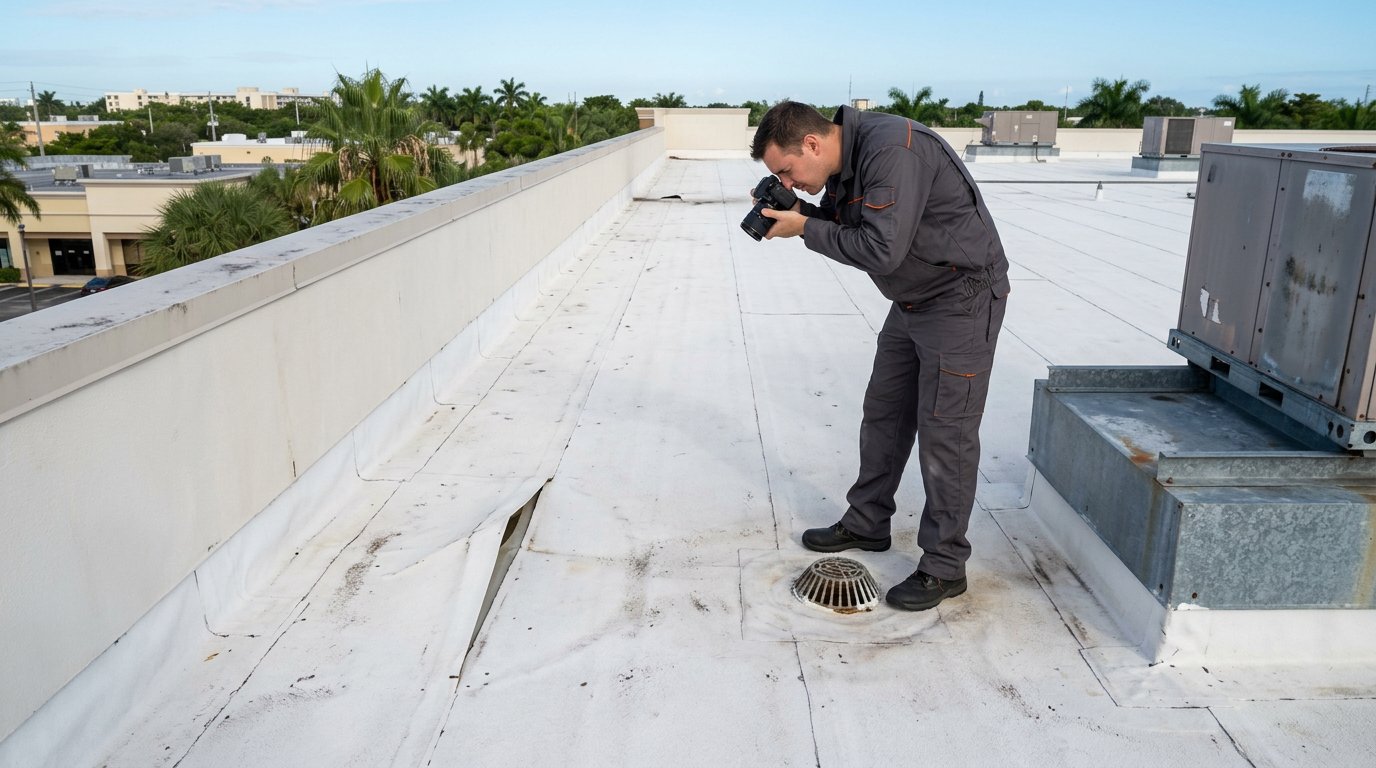
Inspect roof coverings, flashing, rooftop equipment, exterior walls, glazing, and doors for displacement or impact marks. Compare damage patterns across elevations to identify likely wind exposure and entry points. For flooding, map water lines and affected rooms, then note which materials contacted water. Record debris locations and impact marks, such as a broken skylight beneath fallen branches.
These observations help connect physical damage with potential water intrusion. A breached opening may explain interior wetting, while an obstructed drain may indicate a separate pathway. Document each condition by location and photograph it before cleanup changes the scene.
Commercial Damage Assessment
Assess how damage affects property operations, not just individual components. A damaged loading-door seal, for example, may let water into a storage area and affect nearby inventory. Record the affected space, building system, and operational consequence. Distinguish direct storm impacts from pre-existing deterioration by reviewing available maintenance records and comparing conditions across connected areas.
A clear assessment also identifies areas that need further evaluation. Note inaccessible spaces, concealed assemblies, and equipment that cannot be operated safely. These details help property owners prioritize response and organize claim documentation without presenting assumptions as established findings.
Repair Scope Assessment
Build the repair scope from documented conditions. Separate temporary stabilization from permanent work, then link each proposed task to a specific observed issue. For example, replacing damaged wall finishes may not address the failed exterior opening that caused water intrusion. Describe the source, affected materials, and required follow-up in the scope narrative.
Review proposed repairs against the damage record before work begins. Identify omitted areas, overlapping tasks, and components that require further assessment. This supports a more coherent response for operations, repairs, and claims. For an impartial evaluation of storm-related building damage, request an Expert Forensic Damage Assessment.
General Forensic Engineers, LLC: Expert Forensic Damage Assessment
General Forensic Engineers, LLC provides Expert Forensic Damage Assessment when hurricane damage requires an independent evaluation of building conditions and possible causes. Its Pre & Post-Commercial Property Hurricane Assessments and Residential & Commercial Property Inspections help property owners document conditions before or after a storm.
The assessment examines observed damage objectively, allowing the physical evidence to guide the findings. For property owners and insurance professionals, those findings can inform decisions about unresolved damage questions. Plaintiff’s attorneys evaluating a potential property damage matter can contact General Forensic Engineers, LLC to discuss an assessment of the property’s physical evidence.
A documented evaluation can help stakeholders understand the evidence and decide on appropriate next steps.
Set a Clear Path for the Property’s Next Steps
Once immediate conditions are addressed, preserve a reliable record of the property as decisions move forward. Keep inspection findings, repair documents, photographs, and relevant communications together, with each record tied to its location and date. This helps property owners and legal teams track how the understanding of damage develops, identify unresolved questions, and distinguish documented observations from assumptions.
A commercial hurricane damage inspection can also provide a basis for deciding whether further assessment is needed as repairs progress or concealed conditions become accessible. Its purpose is not to predetermine responsibility or an insurance outcome. Instead, it clarifies the physical evidence, its limits, and the questions that remain, helping stakeholders make informed decisions from a consistent record.
For an objective assessment of hurricane-related property damage, contact General Forensic Engineers, LLC. A well-organized evaluation can help you move forward with greater clarity and confidence.
Frequently Asked Questions
Can storm damage lead to water or mold issues?
Yes. Wind can displace roof materials or break glazing, creating openings for rainwater even when damage appears limited. Water can travel behind wall finishes, above suspended ceilings, or beneath flooring, so visible staining may not reveal the full affected area. For example, a damp ceiling tile near an exterior wall can point to a leak path extending beyond the stain.
How long does the inspection process take after a storm?
The time required depends on the building’s size, access, extent of damage, and inspection scope. One accessible area differs from a property with several buildings, restricted spaces, or concealed moisture concerns. Inspection work may also need to be coordinated around occupants and active operations. Clear access to affected rooms and roofs, along with maintenance records, helps the inspection proceed efficiently.
How quickly can you respond to storm damage emergencies?
Address immediate threats first, then arrange an assessment once safe access is possible. Keep occupants away from areas with possible collapse, electrical hazards, or unstable debris, and contact emergency services if there is immediate danger. Inspection timing depends on site safety, access, and the damage requiring evaluation. Preserve photographs and records while waiting, without entering unsafe spaces.
What does a commercial hurricane damage inspection include?
A commercial assessment can examine the building envelope, structural components, interior damage, and evidence of water entry. The inspector records observed conditions and considers whether damage patterns align with wind, flooding, or debris impacts. For example, displaced roof material above a wet interior area may help identify a potential path of intrusion. Findings can inform further evaluation and repair planning.
How soon should a commercial property be inspected after a hurricane?
Arrange an inspection promptly once the property can be accessed safely. Early documentation helps preserve evidence before cleanup or repairs alter damaged materials. Property managers can first record visible conditions from safe locations, secure maintenance records, and note areas that remain inaccessible. If water entered occupied or storage spaces, identify affected rooms and materials for follow-up assessment.
Who is qualified to inspect commercial hurricane damage?
The appropriate professional depends on the question being assessed. A licensed engineer can evaluate structural conditions and investigate potential damage causes; a commercial property inspector can document building conditions. Contractors assess repair work, while insurance adjusters evaluate claims. For disputed damage or questions about causation, an independent forensic engineering assessment can provide a separate analysis of the physical evidence.
Comments