
Documenting Damage and Value Before a Hurricane
Document hurricane damage before cleanup whenever it’s safe; remove dangerous debris when necessary to prevent injury. A pre-hurricane property assessment preserves a baseline of the building’s condition, value, and existing issues before a storm changes them. That comparison can help distinguish pre-existing conditions from new damage.
It’s understandable to focus on clearing debris after a storm, but documenting conditions first can preserve important evidence. A clear record of the property and its contents may support an insurance claim and a request to reconsider the property’s pre-storm value.
This guide explains what to document, which structural elements and building systems to inspect, and how to organize photographs, notes, and records. It also explains how assessment evidence can help clarify damage and support a value reconsideration, so you can make informed decisions before and after a hurricane.
Table of Contents
Using documentation to support insurance and government assistance claims
A wind mitigation inspection can document protective features, but any discount depends on the insurer and policy. To record a property’s condition before a hurricane, photograph each area, note existing damage, and keep related receipts and reports.
Document Preexisting ConditionsRecord the property’s condition before a storm, noting existing damage by location and type. Photograph a stained ceiling, cracked window, or worn roof surface, then pair each image with a dated note describing its location and condition. This record can help distinguish a pre-existing issue from later hurricane damage. Include residential units and shared commercial or condominium areas, and don’t identify an old condition as storm damage without evidence.
Photograph Conditions and Write the ScopePhotograph each room and exterior elevation systematically, then describe affected areas in a written scope. Take wide views to establish location and close-ups to show damage, using consistent labels such as “north bedroom ceiling” or “east roof edge.” After a storm, document damage before cleanup when it’s safe. Remove dangerous debris when necessary to prevent injury, and take additional photos or video afterward when possible to record what changed.
Organize Documentation for ClaimsGroup photographs, notes, repair records, and property-inventory details by room or building area. For damaged belongings, record the make, model, serial number, and value, and keep receipts for high-value items. Homeowners may need detailed belongings information for FEMA assistance, while condo associations can organize common-area evidence separately from unit-owner records. Insurers may send an adjuster to review a claim, so retain copies and take notes during claim discussions to help avoid omissions.
Evidence for reassessing pre-storm structure value
Build a dated evidence package before repairs alter the structure. Organized records can help homeowners describe the property’s pre-disaster condition and support a request for value reconsideration.
Preserve evidence before cleanup. Photograph and videotape interior and exterior damage when it’s safe, and capture each affected area before debris removal. Remove dangerous debris when necessary to prevent injury. When possible, retain damaged belongings and samples of carpet, drywall, furniture, or flooring until the insurance company completes its claims review. Label each item with its location and condition so later reviewers can connect it to the correct room or building area.
Gather records of the structure’s prior condition. For a pre-storm building value reconsideration in Pinellas County, provide original-source interior photographs at least 1 MB in size. Include invoices for work completed before the storm within the prior 24 months. Match each invoice to the repaired area, then organize photographs and records chronologically. This helps distinguish documented improvements from damage caused by the disaster.
Support substantial-damage review with an appropriate appraisal. For a FEMA 50% Rule review, the Pinellas County Property Appraiser advises requesting a retrospective pre-storm Actual Cash Value appraisal of the structure. For a storm-damaged condominium, consider the entire building if the FEMA letter value is insufficient for the damage level. A clear estimate should identify the property assessed, its pre-storm condition, and the evidence supporting the valuation.
Track appeal milestones. Build the appeal case during days 31-90 after a disaster, then file from day 91 onward. Federally declared disaster areas may have extended appeal deadlines of 6-12 months. Record the applicable dates, preserve submission copies, and keep confirmation of delivery with the evidence package. A property loss estimate can organize damage findings into a documented account for review.
On-site interior and exterior property inspections
For Florida and other coastal states, preparedness steps should reflect local requirements and the property’s use. A practical checklist includes the roof, walls, foundation, windows, drainage, and visible signs of moisture.
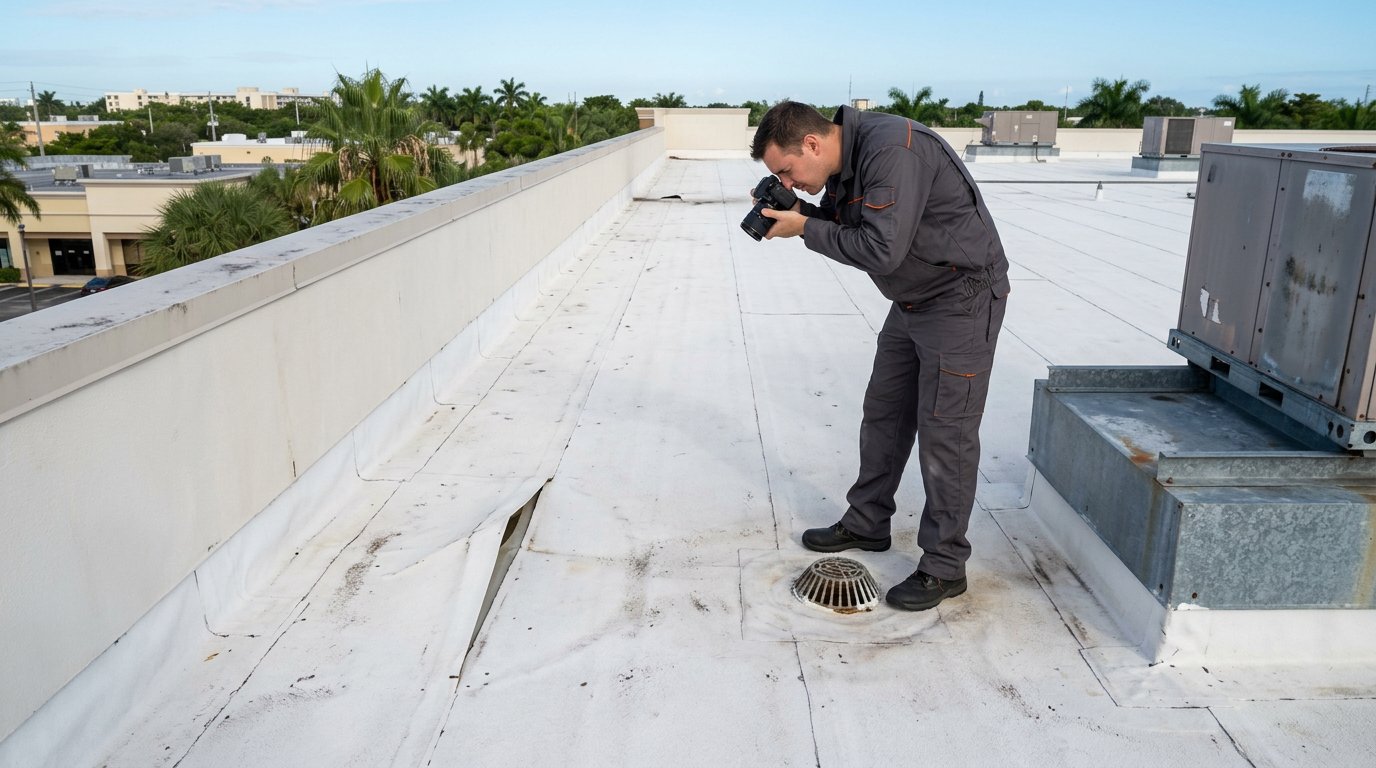
Inspect the Exterior EnvelopeWalk around the exterior only where access is safe, and inspect the roof, walls, foundation, and windows. Look for loose flashing, lifted or worn shingles, debris in roof valleys, and cracked seals around roof penetrations. Check for water pooling beside the foundation, grading that slopes toward the building, and downspouts discharging nearby. Record each condition by location so owners can determine where repairs or further review may be needed.
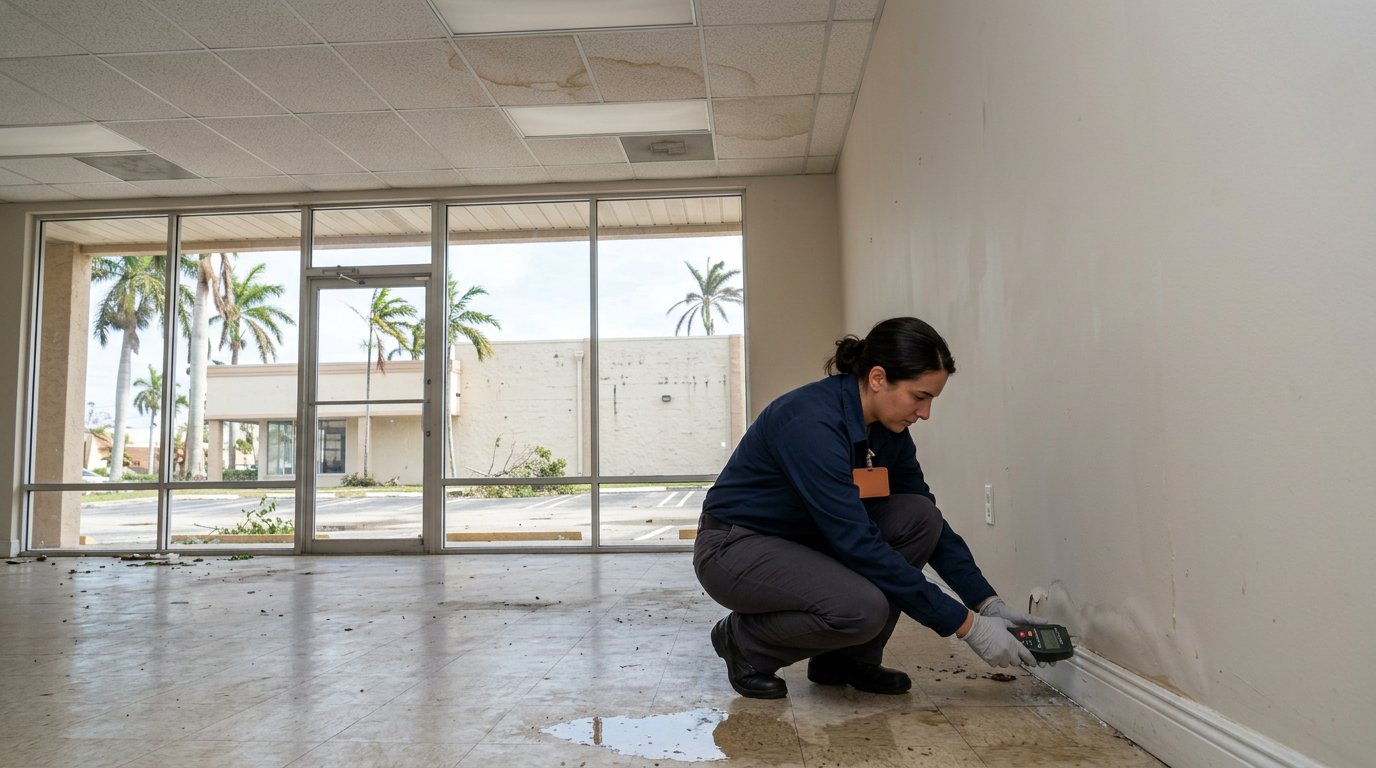
Check Siding, Trim, and OpeningsExamine siding, trim, window frames, and exterior door openings for signs of moisture. Soft trim, bubbling paint, separated caulk joints, or swelling at lower siding edges can indicate water intrusion. Water may travel behind exterior materials, down framing, and into insulation before becoming visible indoors. Note the affected elevation and nearby interior signs, such as a damp wall, without assuming the source.
Inspect the grounds for overhanging tree branches, loose debris, and poorly secured structures that could become hazards in high winds. Identify landscape items that could become projectiles, and note their location and condition. Check whether drainage directs water away from the building. These observations help owners prioritize measures to protect the exterior and reduce collateral damage.
Before a detailed inspection, consider whether the structure appears stable, look for downed power lines, check for gas leaks, and assess whether roof access is safe. Don’t approach hazards or enter unsafe areas. From a safe position, document visible conditions and note areas that could not be inspected. Indoors, work through one room at a time, recording ceiling stains, damp areas, and related exterior signs before moving on.
Assessment scope and affected property systems
Schedule an assessment before hurricane conditions threaten access, leaving time to address identified vulnerabilities. A do-it-yourself review can miss concealed defects or expose owners to unsafe roof, electrical, or structural conditions.
Set the Assessment Timing and ScopeDefine the assessment before a storm approaches, while the property remains accessible and repairs can still be planned. Include the roof, walls, foundation, windows, and building systems, then identify areas needing closer examination. Residential properties and commercial facilities may have different equipment and occupancy needs. Record the scope and findings for preparedness and recovery planning.
Assess Affected Property SystemsEvaluate electrical, plumbing, and HVAC systems alongside the building structure. Note equipment locations and possible exposure to water intrusion or power surges, then identify practical protection measures. Before a detailed inspection, assess structural stability and look for downed power lines, gas leaks, and unsafe roof access. Organized findings can help owners prioritize emergency actions and gather evidence for recovery or assistance submissions.
Assess Trees and LandscapingReview trees, branches, loose debris, and poorly secured outdoor structures for hazards that could cause damage in high winds. Identify overhanging limbs and landscape items that could become projectiles, then record their locations relative to buildings, vehicles, and walkways. Don’t climb trees or approach unstable limbs. Owners can use these observations to plan corrective work and reduce the risk of collateral property damage.
For a structured review of building vulnerabilities and affected systems, request a property damage assessment.
General Forensic Engineers: Expert Forensic Damage Assessment
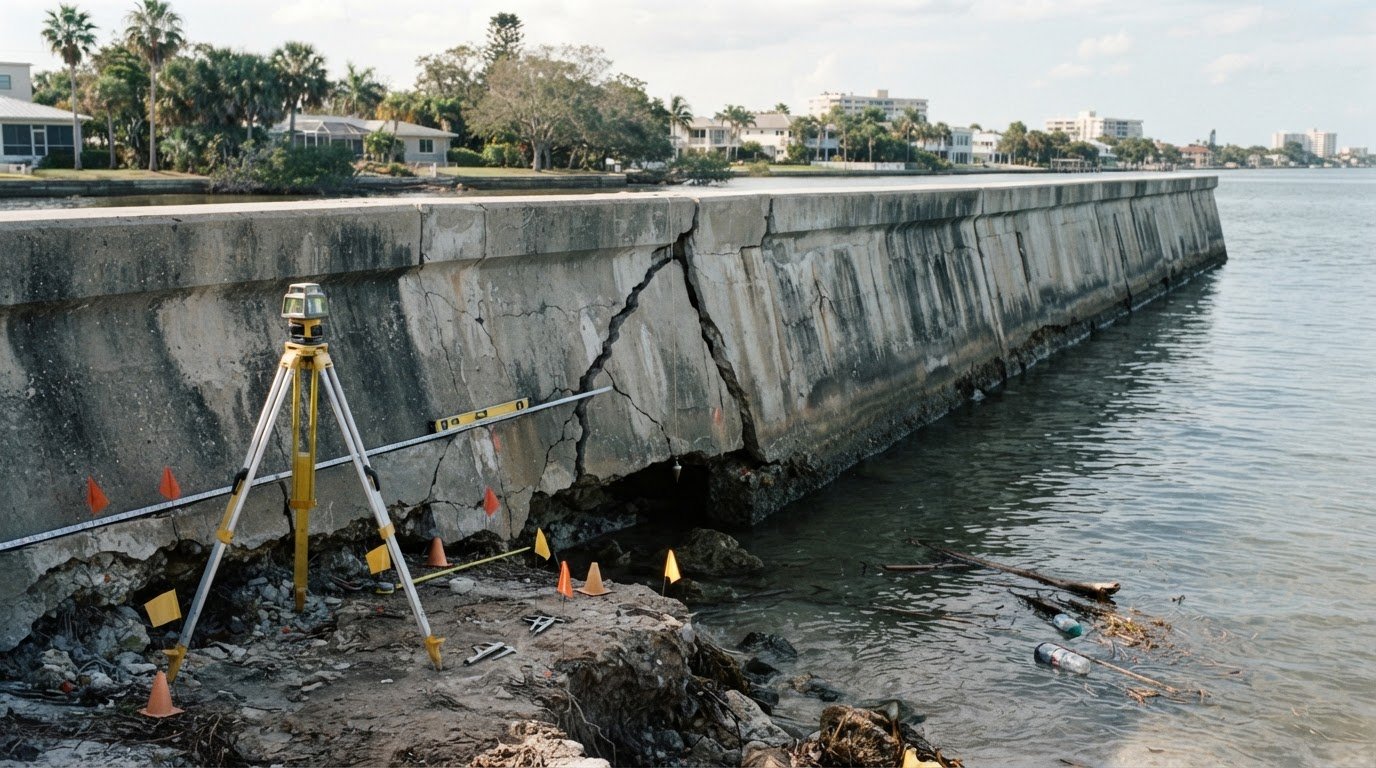
General Forensic Engineers, LLC provides Expert Forensic Damage Assessment to examine property damage and its possible causes. This independent evaluation can help residential and commercial property owners distinguish documented conditions from assumptions, whether preparing before a hurricane or reviewing damage afterward.
For commercial facilities, Pre & Post-Commercial Property Hurricane Assessments examine conditions before or after a storm. Residential & Commercial Property Inspections provide a broader review organized around observed conditions. These assessments can also help attorneys understand physical evidence relevant to a property dispute. Findings are grounded in the inspection, even when the evidence points in an unexpected direction.
Make the Next Assessment Evidence-Led
A pre-hurricane property assessment is most useful when its observations are clear, traceable, and grounded in the property’s actual condition. Treat the resulting record as a reference for decisions, not a prediction of storm damage or a substitute for a post-event investigation.
For property owners, this distinction helps keep preparedness and later damage reviews anchored to observable facts. For attorneys assessing a potential property dispute, an impartial technical review can clarify what the evidence supports, including findings that may not match an initial assumption. The value lies in establishing a defensible account, not reaching a preferred conclusion.
General Forensic Engineers, LLC can help assess property conditions through its forensic services. If you need an objective evaluation for a residential or commercial property, discuss your property assessment with General Forensic Engineers, LLC. A careful next step can help bring greater clarity to the property’s condition and the decisions that follow.
Frequently Asked Questions
Should I clean up hurricane debris before documenting the damage?
Document storm damage before cleanup whenever the area is safe. Take a wide photograph showing debris in relation to the building, followed by closer images of impact points. Preserve original files and note when each was captured. If debris poses an immediate safety risk, remove it first. Photograph the cleared area afterward, and retain useful samples of damaged material for later review.
What is a preliminary damage assessment, and why is it important?
A preliminary damage assessment is an initial survey of disaster impacts used to help determine community damage and assistance needs. FEMA joint preliminary assessments may take place in person or virtually, depending on information in the initial damage assessment. Surveys can collect the property’s location, damage category, ownership and insurance details, cost estimates, and broader local impacts. This information helps characterize the disaster’s effects.
What is a pre-hurricane property assessment?
A pre-hurricane property assessment creates a reference record of a building’s condition before a storm, including existing defects and system vulnerabilities. Its purpose is comparison, not predicting storm effects. For example, dated evidence of a pre-existing ceiling stain can help distinguish it from a new leak after a hurricane. The assessment may cover homes, condominium common areas, or commercial facilities.
What should homeowners inspect before a hurricane?
Inspect the full property, including areas beyond routinely used rooms. Check crawlspaces or basements for musty odors and increased moisture, and note pooling water or drainage toward the structure. Review outbuildings, outdoor equipment, and access routes for loose materials. Identify vulnerabilities that could affect occupants, and use the findings to inform evacuation procedures and coordination with emergency services.
How do you assess a roof’s hurricane readiness?
From a safe vantage point, look for lifted or worn shingles, loose flashing, debris in roof valleys, and cracked seals around roof penetrations. Don’t climb onto a roof if access is unsafe. A commercial flat-roof assessment may use ponding-water flood testing for 24-48 hours. A visual review can identify visible concerns, while a more detailed assessment can evaluate the roof system.
How should windows, doors, and garage doors be checked before a hurricane?
Check each window and exterior door for cracked glazing, separated seals, loose hardware, or difficulty closing and latching. Inspect garage doors for visible damage, loose components, and reliable operation, but don’t test them in hazardous conditions. Record each opening and the location of any defect. Comparing similar openings can help identify isolated wear or a repeated condition affecting the building envelope.
Comments