
Forensic Engineering Services for Property Damage and Construction Defects
A crack, leak, or failed building component shows that something went wrong, but not why. Forensic engineering services use engineering analysis and physical evidence to investigate property damage and construction defects, identify likely causes, and document findings. An assessment can help clarify whether damage relates to a building component, construction, or an external event.
Property owners, commercial stakeholders, and attorneys need findings that separate observed conditions from assumptions. A methodical, impartial investigation gives them a clearer basis for evaluating damage and understanding what the evidence supports, even when conclusions challenge an initial explanation.
This article explains what forensic engineers assess, how an investigation proceeds from inspection to findings, and which qualifications matter when selecting a consultant. It also outlines how General Forensic Engineers supports property assessments through forensic damage investigations and expert witness services.
Table of Contents
What is a Forensic Engineer?
Forensic engineering services apply engineering principles to determine why a building component or structure failed. Structural and civil engineering analysis connects observed conditions to loads, materials, design, and construction evidence.
Structural Failure Analysis
Structural failure analysis examines how a building carried loads before and after damage. An engineer documents cracking, displacement, deformation, or collapse, then compares observations with the design and physical conditions. A sagging beam shows why the load path matters. The evaluation tests possible causes, including connection defects, material weakness, changed loads, or impact. Failure analysis studies the mechanism of failure; forensic engineering places it in context using evidence and dispute-relevant conclusions.
Damage and Defect Evaluations
Damage evaluations map structural defects by location, extent, and character. For example, an engineer may compare a diagonal wall crack with floor movement, door alignment, and nearby framing. The assessment considers whether these conditions indicate an isolated defect, progressive movement, or secondary damage. Owners and attorneys need conclusions grounded in recorded evidence, not appearance alone.
Building-Envelope Issues
Building-envelope assessments examine roofs, windows, exterior walls, and joints that may admit water or air. Water staining below a window can prompt an examination of sealant, flashing, wall materials, and interior finishes. Envelope and structural conditions can interact: water entry may damage finishes, while concealed framing may show deterioration. The assessment distinguishes the entry point, affected materials, and structural consequences.
Investigation Process and Duration
An investigation typically follows four stages: inspection, evidence collection, analysis, and reporting. During inspection, the engineer records dimensions, photographs conditions, and identifies testing needs. Analysis weighs observations against plans, materials, and the reported sequence of events. The report explains methods, findings, and conclusions. Duration depends on scope, access, testing, and available records. For local service, consider the property’s location and type and choose an engineer with experience relevant to the failure.
Construction defects
Construction defect investigations examine whether design, materials, workmanship, or building conditions contributed to damage. Cases may involve water intrusion, cracking, unsafe alterations, or mechanical and environmental conditions affecting a structure.
Construction Defect Cases
A forensic engineer evaluates the affected assembly, compares built conditions with available plans, and traces how the defect developed. A recurring ceiling leak, for example, may call for examining roof details, plumbing, previous repairs, and interior moisture patterns. Investigations may also involve accidents where a defective component or construction condition contributed to an event. The engineer reconstructs the sequence using physical evidence, site observations, and relevant records, without assuming fault in advance.
Useful records include construction drawings, contracts, inspection notes, photographs, repair history, and warranty documents. The evaluation considers whether observed conditions align with those records and whether later changes may have affected performance. Warranty documentation can help establish described materials, installation expectations, and reported repair history. The engineering analysis addresses physical conditions rather than deciding legal coverage.
Findings and Expert Testimony
Forensic engineers document methods, site conditions, measurements, photographs, and test results in a report that connects evidence with conclusions. In an insurance dispute or lawsuit, this record can clarify technical issues for property owners, attorneys, and other stakeholders. Expert testimony explains the analysis, its limits, and the basis for conclusions in clear terms. Distinguishing measured observations from interpretation supports an impartial account, even when findings differ from an initial claim.
For a property-specific review of damage linked to a suspected construction defect, a forensic damage assessment can help establish the condition and its likely cause. Consulting scope may include structural, mechanical, or environmental questions when those issues relate to the observed failure.
Flood, fire, water, storm, and roof damage assessments
Damage assessments connect a reported event with observed building conditions. They help property owners and attorneys understand cause, scope, repair needs, and potential liability.
Damage Assessments by Event Type
Flood and water investigations trace moisture pathways, affected materials, and damage patterns. A roof leak, for example, may require examining roofing, flashing, ceilings, and adjacent framing. Fire assessments document heat and smoke effects alongside visible structural changes. After hurricanes or other natural disasters, engineers assess wind-related roof damage, water intrusion, and structural impacts. The sequence matters: distinguishing event-related damage from pre-existing conditions helps clarify what the evidence supports.
Assessment methods depend on the event and the building systems involved. An accident, storm, or fire may affect different industries and property types, but the analysis remains specific to the structure and observed damage.
Repair Recommendations
After documenting damage, an engineer can identify repair needs linked to the observed cause. For example, a roof assessment may distinguish damaged covering from compromised roof framing, which call for different scopes of work. Recommendations should connect each proposed repair to a documented condition and explain the intended correction. This helps owners and project teams assess whether proposed work addresses the damage or leaves related conditions unresolved.
For a commercial property after a hurricane, pre-event records and post-event observations can help define affected areas. Recommendations should distinguish immediate stabilization from permanent repairs and identify the evidence supporting each step.
Repair-Cost Assessments
Financial forensics examines whether a repair estimate aligns with documented damage and the proposed scope. An engineer can review quantities, affected materials, and the connection between individual work items. For example, a bid that includes ceiling replacement can be compared with recorded water damage and the area requiring repair. Differences between estimates may reflect different scope assumptions, not simply different totals.
A careful assessment identifies what each bid includes, excludes, or treats differently. This supports informed review by owners, attorneys, and insurers without replacing insurance decisions or determining liability. Conclusions remain tied to physical evidence, repair scope, and the assumptions behind each estimate.
Forensic engineering consultant qualifications
A consultant’s qualifications shape how an investigation is scoped, analyzed, and explained. For property claims involving structural damage, prioritize relevant engineering expertise, experience with similar cases, and the ability to support conclusions with scientific evidence.
In most U.S. states, professional engineering licensure requires a four-year engineering degree, at least four years of work for a licensed professional engineer, comprehensive exams, and licensure from a state engineering board. Ongoing education and training can help engineers develop expertise in forensic work. These qualifications provide a foundation, but do not alone demonstrate experience with a particular building system or failure.
Match specialized experience to the disputed issue. A consultant assessing roof damage should understand roof assemblies and the evidence used to evaluate them; a foundation movement investigation calls for experience with structural behavior and site conditions. Ask whether the engineer has examined comparable property types and failure mechanisms. Relevant experience helps focus testing and distinguish observed conditions from assumptions.
Review the proposed investigation methods before relying on its conclusions. A sound analysis explains which records, site observations, measurements, and tests informed the findings and how alternative causes were considered. For example, a crack assessment should connect the crack’s location and pattern with other recorded conditions. The report should make its reasoning clear to property owners, attorneys, and insurers.
Testimony experience also matters when a claim proceeds to litigation. An expert may need to explain technical findings under questioning, separate facts from opinions, and acknowledge analytical limits without overstating conclusions. Attorneys should assess whether the consultant can communicate complex engineering issues accurately and remain impartial, even when the evidence points to an unexpected cause.
For a property investigation grounded in documented evidence, request an expert forensic damage assessment.
Brian G. Pfeifer has over 28 years of engineering experience, while Daryl L. Ebersole is licensed as a professional engineer in more than 10 states.
General Forensic Engineers, LLC: Expert Witness Services
General Forensic Engineers, LLC provides Expert Witness Services and Expert Forensic Damage Assessment for property owners, commercial stakeholders, and attorneys evaluating complex losses. Its independent assessments examine available evidence and document findings without presuming which party the evidence will support. Residential and commercial property inspections assess building conditions, while pre- and post-commercial property hurricane assessments document storm-related conditions.
Attorneys handling property damage claims can use an engineering investigation to understand causation and communicate technical findings. General Forensic Engineers, LLC provides expert testimony grounded in its assessment, not legal representation or insurance claim adjusting. Contact General Forensic Engineers, LLC to discuss an assessment or expert witness need.
Define the Next Step for Your Property Assessment
Before deciding how to address a disputed loss, identify the specific technical issue that remains unresolved. Note the affected areas, the reported event, and the records available for review. This helps focus an assessment on the question that matters to the property owner, commercial stakeholder, or attorney. The analysis should remain impartial and follow the evidence, even when findings differ from an initial explanation.
General Forensic Engineers, LLC offers Expert Forensic Damage Assessment, Pre & Post-Commercial Property Hurricane Assessments, and Residential & Commercial Property Inspections. These services help clarify building conditions and damage causes. Forensic engineering services provide a technical basis for evaluating property issues, while legal representation and insurance claim decisions remain with the appropriate parties.
When a property’s condition or the cause of its damage is in dispute, a focused assessment can help inform the next decision. Contact General Forensic Engineers, LLC to discuss your property assessment needs and move forward with a clearer understanding of the evidence.
Frequently Asked Questions
What services do forensic engineering firms provide?
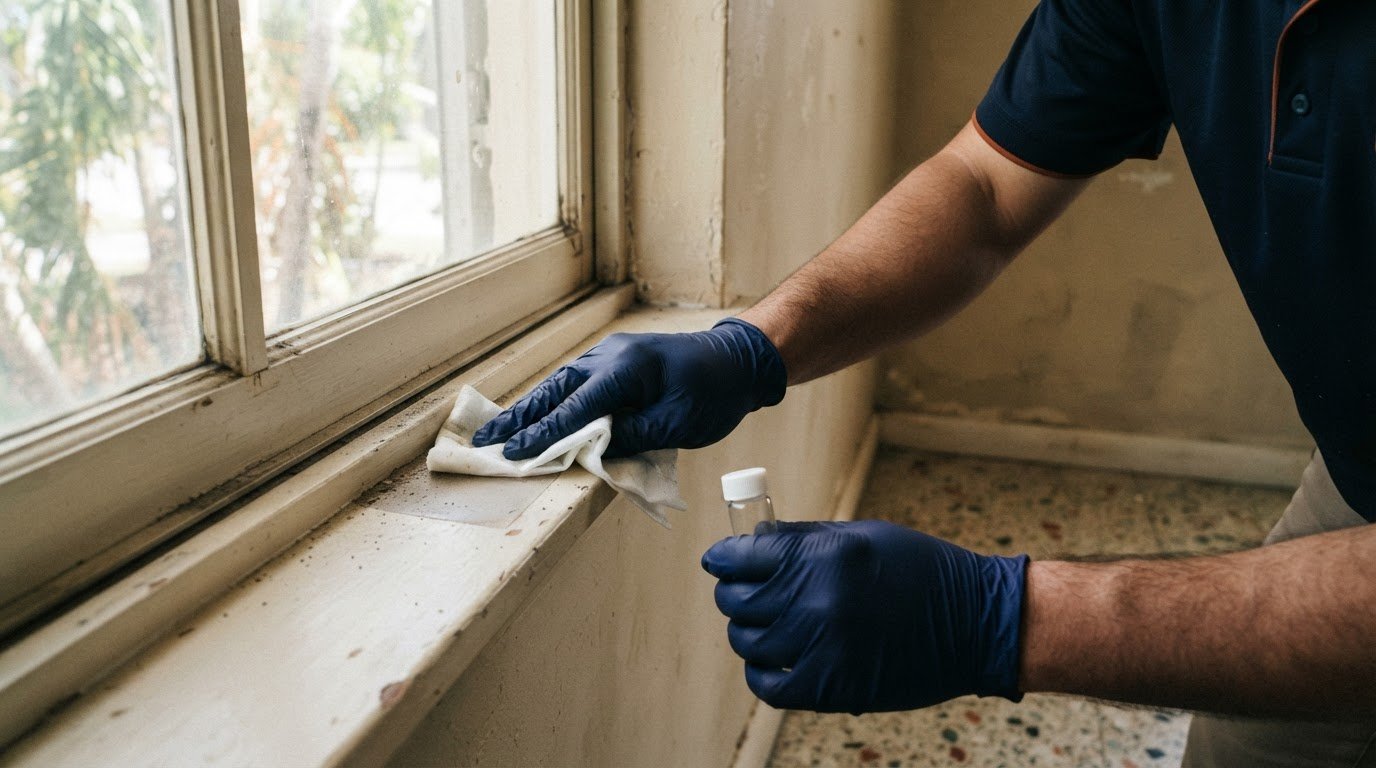
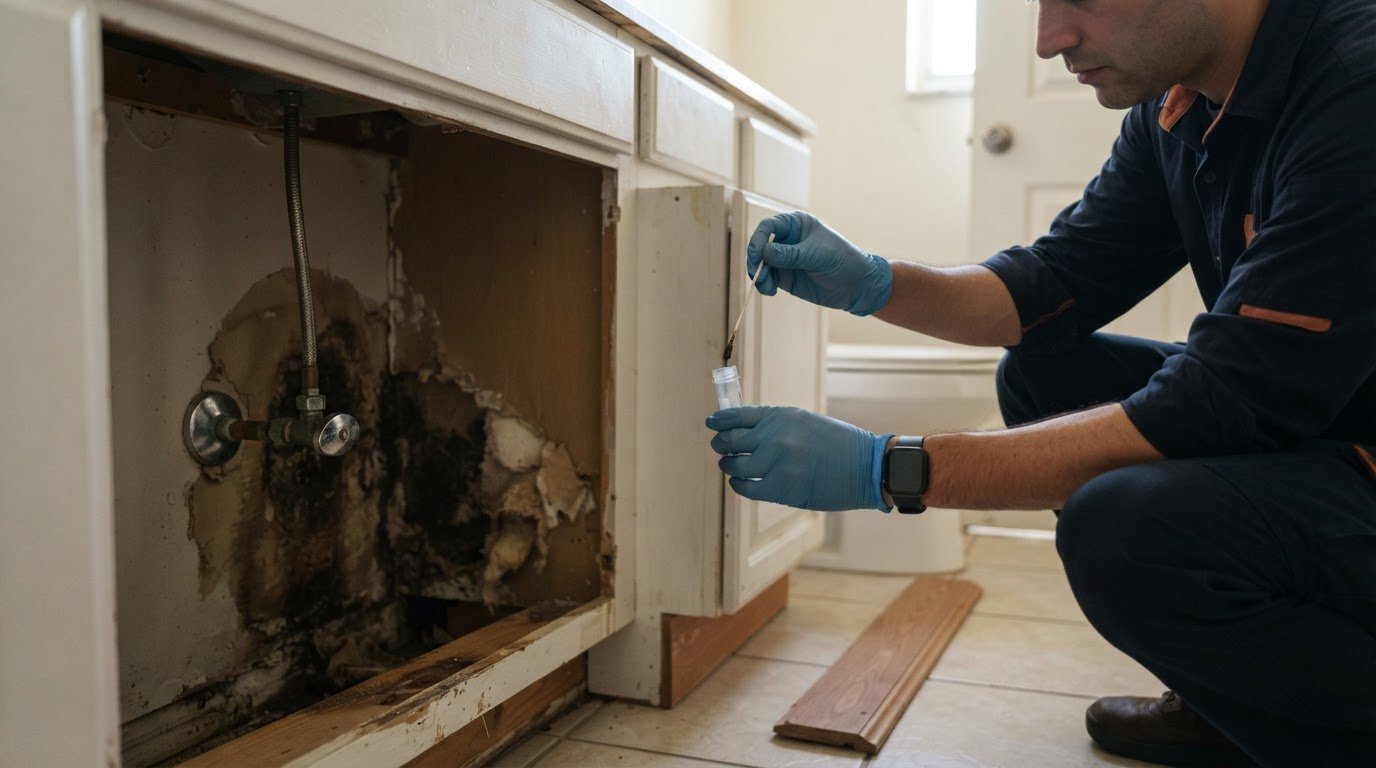
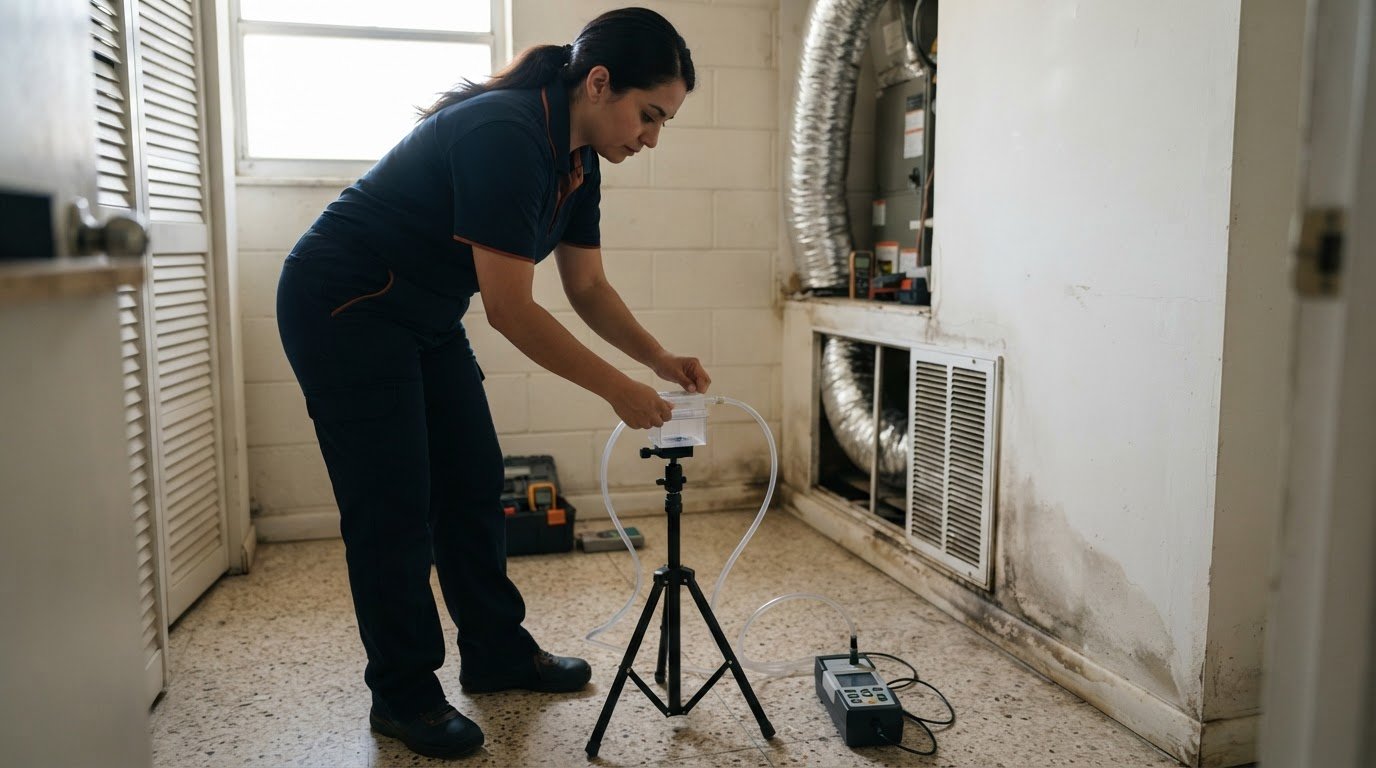
Forensic engineering firms investigate property damage, structural failures, and construction defects, then document technical findings. Services may include residential and commercial inspections, hurricane damage assessments, mold and indoor air quality testing, loss estimates, and expert witness services. For example, a property owner in Miami disputing the cause of roof damage may need an assessment focused on the building condition and available evidence.
How much do forensic engineering services cost in the United States?
Costs depend on the project scope and are provided after a quote request. Factors include property type, damage extent, available records, site access, testing needs, and whether the work requires a written report or expert testimony. A focused inspection and a complex investigation involving multiple building systems require different levels of analysis. Request a project-specific quote to understand the proposed scope and fee.
How do I choose a qualified forensic engineer or firm?
Choose a consultant whose engineering background and investigation experience match the property issue. For a commercial roof loss, relevant roof and building-envelope experience matters; a structural movement dispute calls for experience assessing structural conditions. Review how the proposed scope will address the evidence and alternative causes. Also consider whether the engineer can clearly explain methods, findings, and limitations to property stakeholders or in testimony.
What licenses and certifications should forensic engineers have?
For engineering opinions, look for a professional engineer licensed in the state where the property is located, with relevant investigation experience. In most U.S. states, licensure involves an engineering degree, qualifying work under a licensed professional engineer, comprehensive exams, and state board licensure. Ongoing forensic education and training support specialized investigative work. Confirm that the engineer’s credentials and experience fit the assignment.
Comments