
Lead Testing for Property Compliance and Facility Safety
A dust wipe can reveal lead dust on a sampled surface that a visual inspection may not identify. Lead testing for property helps establish whether paint, dust, soil, water, or indoor air needs further assessment, with the sampling method selected to match the concern.
For renovation work in residential properties built before 1978, the EPA requires work to be performed by an RRP-certified contractor or the painted areas to be tested for lead. Dust wipe sampling can also help assess whether lead dust remains after removal work, while airborne testing addresses potential exposure to dust or fumes in a work area.
This article explains what dust wipe samples measure, when lead testing for property may be relevant, and how renovation rules and air sampling fit into an assessment. It also describes what shapes the testing scope, helping residential and commercial property owners and legal professionals understand what findings can establish and when an evaluation may be useful.
Table of Contents
Lead inspection requirements for homes built before 1978
Requirements depend on jurisdiction, property use, construction date, and the purpose of the assessment. For owners in Miami and nearby communities, local requirements should guide the scope. Rules from another state do not automatically apply.
State and Local Inspection Rules
Rental inspection schedules are not uniform across the United States. New Jersey’s lead-based paint inspection regulations are codified at N.J.A.C. 5:28A, according to the New Jersey Department of Community Affairs. In New Jersey, covered rental dwellings generally require inspection every three years or upon tenant turnover, whichever comes first, unless the owner has a valid lead-safe certificate.
This example shows why a property’s location matters. Requirements may distinguish rental housing from owner-occupied homes and specify who can inspect, which method applies, and what documentation is accepted. For properties in Miami, local rules and intended use should shape the scope. Renovation projects may raise separate testing questions.
Exempt Properties and Dwellings
Exemptions are tied to specific criteria, not simply a building’s age. In New Jersey, rental dwellings constructed during or after 1978 are exempt from the inspection requirement described by that state. A dwelling certified free of lead-based paint under N.J.A.C. 5:17-3.6(b) is also exempt.
New Jersey seasonal single-family or two-family rentals may qualify when rented for less than six months each year, provided tenants do not have consecutive lease renewals. A multiple rental dwelling registered with the Department of Community Affairs for at least ten years may also qualify if its latest cyclical inspection has no outstanding lead violations. These exemptions are specific to New Jersey, not universal rules for Miami properties.
In the United States, testing costs depend on the property, sample types, and inspection scope. The price depends on the case and is provided after a quote request; factors include the materials tested, sampling locations, and applicable assessment requirements.
What are dust wipe samplings?
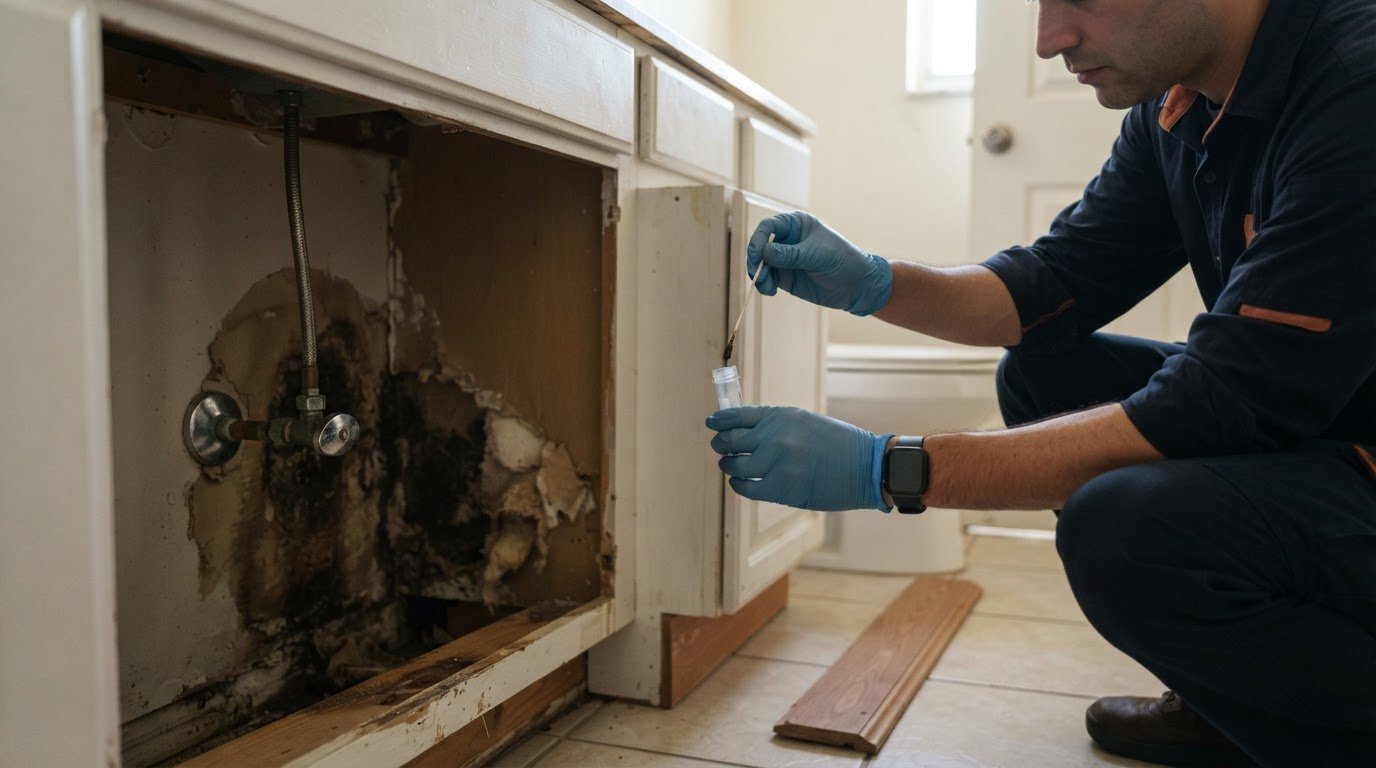
A dust wipe sample measures lead dust on a selected surface. A professional records the area, collects a sample using an appropriate method, and submits it for laboratory analysis. The result indicates whether lead dust was detected at that location. It does not identify every potential lead source or establish conditions in untested areas.
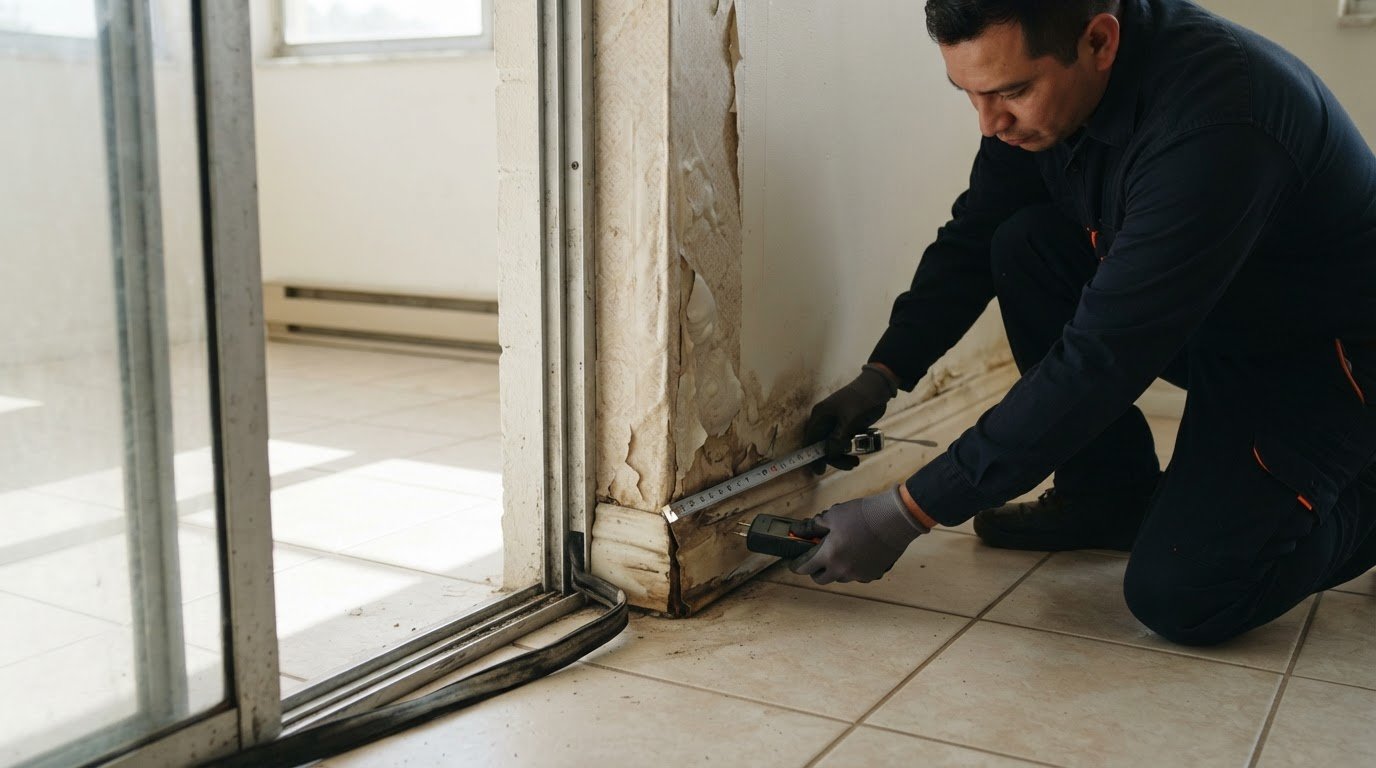
Visual assessment and sampling provide different evidence. A professional documents paint conditions such as peeling, chipping, or cracking and notes surfaces that may need closer evaluation. A surface can look intact while dust is present, so visual observations do not measure lead dust. Samples provide analytical evidence about the specific surfaces collected and tested.
Laboratory testing can also be arranged for paint, dust, soil, and drinking water samples. The material and locations selected depend on the concern. Suspected painted components call for paint evaluation, while settled residue calls for dust sampling. Collection procedures may depend on the assessment’s purpose and applicable requirements; some dust wipe methods, for example, must meet an approved standard.
Renovation or demolition can disturb lead-based paint and generate dust that people may inhale or swallow. The work area and nearby surfaces may therefore matter when evaluating potential exposure, particularly where children use adjacent rooms. The project scope and applicable regulations help define work practices and the cleanup assessment appropriate to the conditions.
After lead removal, a post-removal assessment evaluates whether harmful dust remains. A professional conducts a visual review and collects dust wipes from selected surfaces for analysis. The visual record describes the area’s condition, while sample results provide evidence about residue at tested locations. Together, these methods document the removal outcome without assuming that all surfaces have the same condition.
When dust findings need to be interpreted alongside broader building conditions, a forensic property assessment can help establish relevant physical evidence and its limits.
Airborne lead testing
Air sampling evaluates lead in the air, particularly where work may generate dust or fumes. It addresses a different exposure pathway from settled dust or painted surfaces.
Airborne Lead Sampling
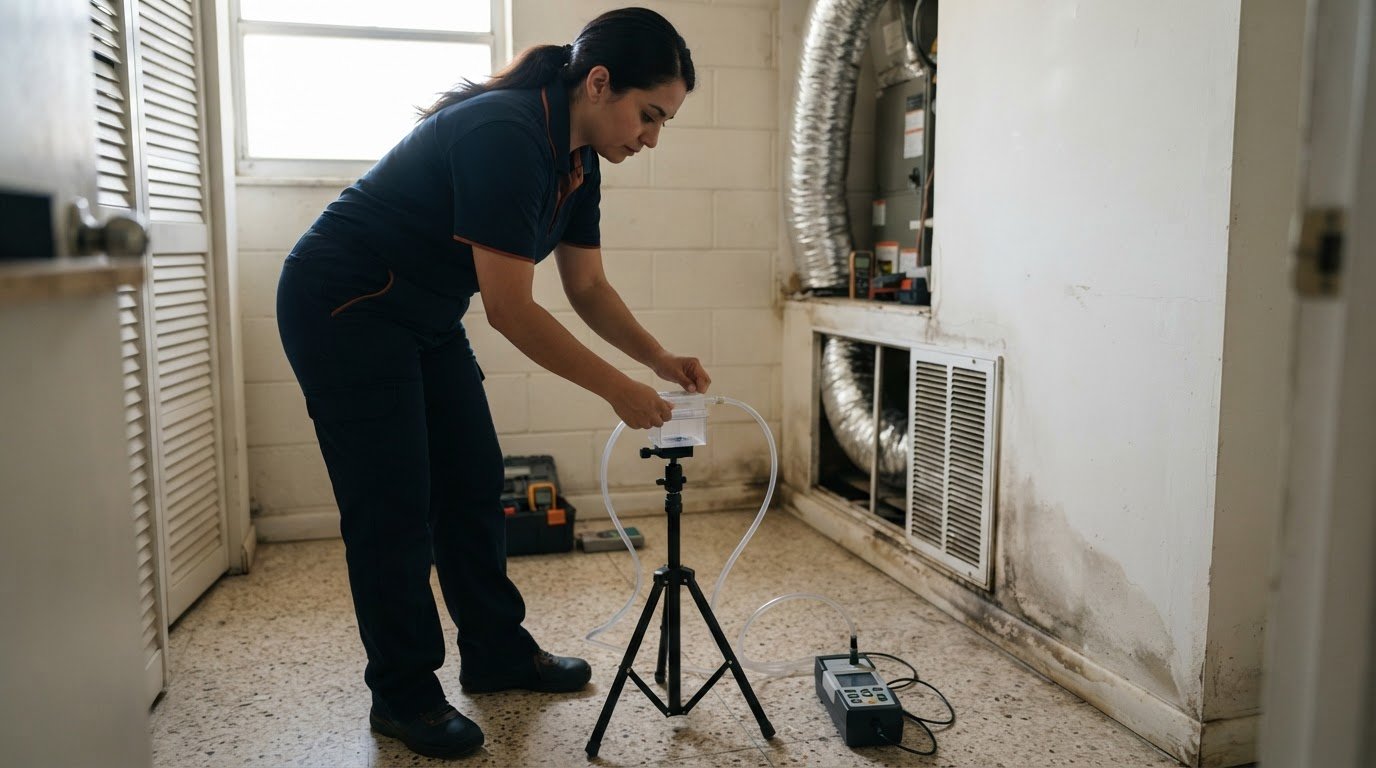
A professional collects air samples from a defined work area for analysis. Locations and timing should reflect the activity being evaluated, such as work disturbing painted components. The results concern airborne lead in the sampled environment, not lead in paint, soil, water, or settled dust.
Indoor air testing can assess whether work-area lead levels meet OSHA standards. Airborne sampling may be relevant during renovation or demolition when work could release material into the air. Peeling or chipping paint alone does not establish airborne lead; the assessment must address air conditions during the activity being evaluated.
DIY Kit and Professional Test Accuracy
Only U.S. Home test kits may be useful for an initial check, but their results may not answer every testing question. A kit and a professional assessment serve different purposes, and the right approach depends on the material and question. Airborne testing, for example, concerns air samples, not a paint swab or settled-dust sample.
Professional testing can document the sampled area and relate results to the property conditions under review. This context is useful when a renovation project or exposure concern calls for findings tied to a particular work area. A result from one location does not establish conditions throughout the building.
Testing Time and Result Turnaround
On-site collection time depends on the property, access to the work area, and sampling scope. Laboratory turnaround varies with sample type and processing. The schedule includes arranging access, collecting samples, and receiving the analytical results.
Air samples must be collected under conditions relevant to the work-area question. The project schedule also depends on the number and locations of samples and whether other materials are included. A clear scope and access plan help organize the testing and establish what the results represent.
What does lead testing for a property include?
Testing starts by defining the concern and identifying relevant materials. A renovation project may focus on painted components scheduled for disturbance, while a broader assessment may include paint, dust, soil, or drinking water. An accredited laboratory can test samples of each material for lead. The agreed scope determines which areas are examined and which samples are analyzed.
For residential properties constructed before 1978, the U.S. Environmental Protection Agency requires renovations to be completed by an RRP-certified contractor or painted areas to be tested for lead. Testing can focus on painted areas the project will disturb. If those areas are free of lead-based paint, testing satisfies that route; otherwise, contractors must use lead-safe work practices. This requirement addresses renovation work, not every material throughout every property.
Each sample type answers a different question. Paint testing evaluates coatings; dust testing examines settled residue. Soil samples address ground around the property, while drinking water samples assess lead in water. The professional defines materials and locations based on the concern, property conditions, and planned work. Testing one material does not establish the condition of another.
Interpret results within the agreed scope. A laboratory finding applies to the sample analyzed and its identified location. A paint result from a wall, for example, says nothing about soil or water conditions. Records linking sample locations and materials to project areas make findings easier to understand and apply to renovation planning or property assessment.
For owners, commercial property interests, and attorneys, a defined testing scope can help distinguish documented findings from assumptions. It also clarifies whether the assessment addresses a renovation concern or a broader property question. Arrange a professional lead testing assessment when you need property-specific sampling and analysis to inform a project or evaluation.
General Forensic Engineers: Lead Testing
General Forensic Engineers provides lead testing to help property owners, commercial stakeholders, and attorneys understand documented lead conditions. An assessment can clarify what was tested, where samples were collected, and how the findings relate to the property concern. Testing and regulated services subject to appropriate licensing and scope.
Consider this service when renovation planning, a safety concern, or a property dispute calls for objective testing. If lead findings are part of broader damage or building-condition questions, Expert Forensic Damage Assessment and Residential & Commercial Property Inspections can provide relevant property context. The evaluation documents evidence without presuming what the results will show.
Attorneys can use clear assessment findings to evaluate property-related questions and consider how evidence may inform a case. General Forensic Engineers provides technical assessment, not legal representation or insurance claim adjusting. Plaintiff’s attorneys are invited to contact GFE or the property owner to discuss an objective assessment.
Contact General Forensic Engineers to discuss lead testing for your property.
Move From Concern to a Clear Assessment
Start by defining the decision the evidence needs to support. For property owners, commercial stakeholders, and attorneys, a clearly scoped assessment can distinguish documented conditions from assumptions and identify relevant further evaluation. Lead testing for property should serve a specific purpose, whether the concern is planned work, occupant exposure, or a disputed property condition.
General Forensic Engineers provides lead testing alongside Expert Forensic Damage Assessment, Pre & Post-Commercial Property Hurricane Assessments, and Residential & Commercial Property Inspections. These services help assessors examine property conditions objectively, including when findings do not support an expected explanation. Evidence can inform the next decision without replacing legal advice or representation. Every assessment includes recommendations appropriate to the observations and inspection scope.
Plaintiff’s attorneys seeking an objective assessment can contact property owners or Contact General Forensic Engineers to discuss the property concern and determine a practical next step.
Frequently Asked Questions
When should a property be tested for lead?
Arrange testing before renovation disturbs painted surfaces, when damaged paint raises concern, or as part of real estate due diligence. For a home built before 1978, consider the planned work and the materials it may disturb. In Miami or Tampa, including the building’s age, the project scope, and the specific concern helps define which materials and locations warrant evaluation.
Who is qualified to perform lead inspections and risk assessments?
A qualified professional must meet the credential requirements that apply to the inspection type and jurisdiction. Requirements can differ for paint inspections, risk assessments, and clearance evaluations, so the professional’s role should match the requested work. In New Jersey, municipalities must allow owners or landlords to hire a certified lead evaluation contractor directly for required inspections. Other jurisdictions may set different qualifications.
What are the EPA rules for lead inspections in rental properties and homes for sale?
The EPA renovation rule does not establish a blanket inspection requirement for every rental property or home for sale. For residential properties constructed before 1978, the U.S. Environmental Protection Agency requires renovations to be completed by an RRP-certified contractor or painted areas to be tested for lead. Rental inspection duties depend on state and local rules; testing during a sale can form part of due diligence.
What steps should property owners take after a positive lead test?
Treat a positive result as evidence tied to the sampled material and location, then have a qualified professional determine an appropriate response. Avoid disturbing the affected area while next steps are assessed. For renovation-related lead, follow applicable lead-safe work practices. After removal, arrange an assessment of remaining dust and retain the findings with property and project records for future decisions.
Comments