
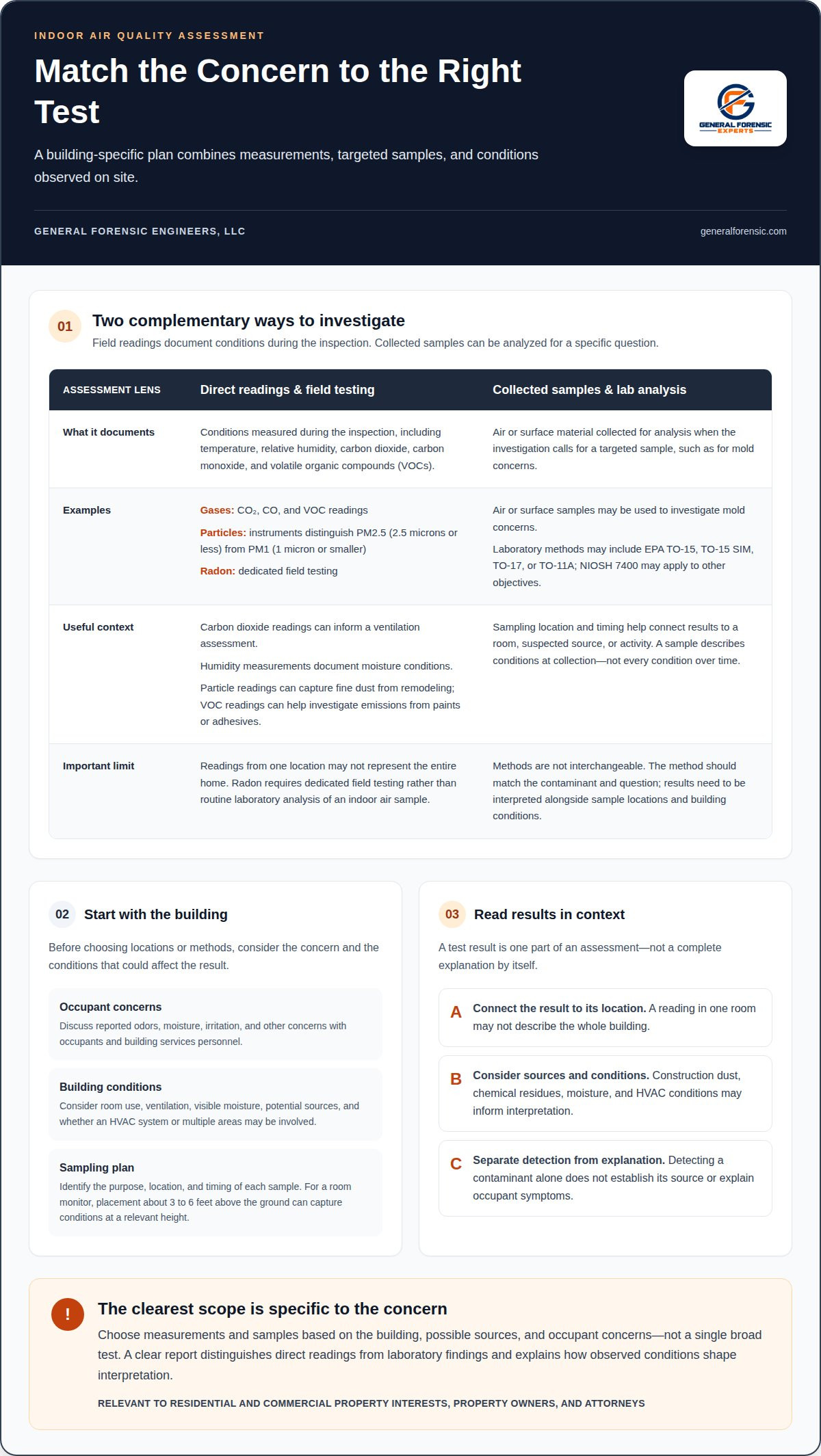
Indoor Air Quality Testing for Your Home: Costs and Tests
The U.S. Environmental Protection Agency states that indoor air can be two to five times more polluted than outdoor air. Indoor air quality testing helps identify pollutants that may warrant investigation, while the building and potential pollution sources shape the assessment.
Useful indoor air quality testing involves more than taking a single reading. Humidity, ventilation, and signs of moisture help put results in context, while the assessment scope affects its cost.
This guide explains how indoor air quality testing can assess pollutants, humidity, and mold concerns, and what factors affect cost. It also describes how a professional evaluates building conditions so the findings can inform next steps.
Table of Contents
What should a professional indoor air quality test check for in your home?
A professional scope should reflect the building, potential pollutant sources, and occupant concerns. Indoor air quality testing may combine direct-reading instruments and targeted sample collection to assess particles, gases, humidity, and biological contaminants.
Professionals can assess mold, radon, carbon monoxide, volatile organic compounds (VOCs), and particulate matter using methods suited to each pollutant. Field instruments measure gases and particles, while selected samples may be sent to a laboratory for analysis.
Pollutants to Measure
An initial survey can record temperature, relative humidity, carbon dioxide, carbon monoxide, and volatile organic compounds (VOCs) through direct readings. Particle instruments distinguish PM2.5, particles 2.5 microns or less, from PM1, particles 1 micron or smaller. Radon requires dedicated field testing rather than routine laboratory analysis of an indoor air sample.
The indoor air quality testing scope should reflect reported concerns and likely sources. Remodeling can generate dust, while paints, adhesives, and finishing products can release VOCs. Sampling locations and timing help relate readings to specific activities or rooms, rather than treating one measurement as representative of the entire home.
Bacteria and Indoor Pollutants
Testing may assess biological contaminants, including mold and bacteria, as well as chemical pollutants and airborne particles. An advanced assessment may include examining HVAC interiors for mold, bacteria, or chemicals. This can help investigate concerns involving system components that a reading in one room may not address.
Interpretation considers where each result was obtained, possible sources, and building conditions. Construction can leave dust or chemical residues in affected spaces. Reports of odors, moisture, or irritation can help focus indoor air quality testing, but detecting a contaminant alone does not establish its source or explain occupant symptoms.
Testing for Specific Indoor Pollutants
Radon and carbon monoxide generally require suitable field equipment rather than laboratory analysis of collected indoor air. Direct-reading instruments can also measure carbon dioxide, VOCs, and particulate matter. For mold concerns, professionals may collect air or surface samples and assess relevant building conditions. The method depends on the investigation’s purpose and location.
Carbon dioxide readings can inform a ventilation assessment, while humidity measurements document moisture conditions. Particle readings can capture fine dust generated during remodeling, and VOC readings can help investigate emissions from paints or adhesives. A building-specific indoor air quality testing plan connects measurements to the room, HVAC system, and reported concerns.
What is the best way to have indoor air quality monitored?
Reliable monitoring starts with a building assessment, followed by measurements or sampling targeted to specific concerns. A professional indoor air quality testing plan should explain the locations and methods used, and how findings relate to observed building conditions.
Building Assessment and Air-Sample Collection
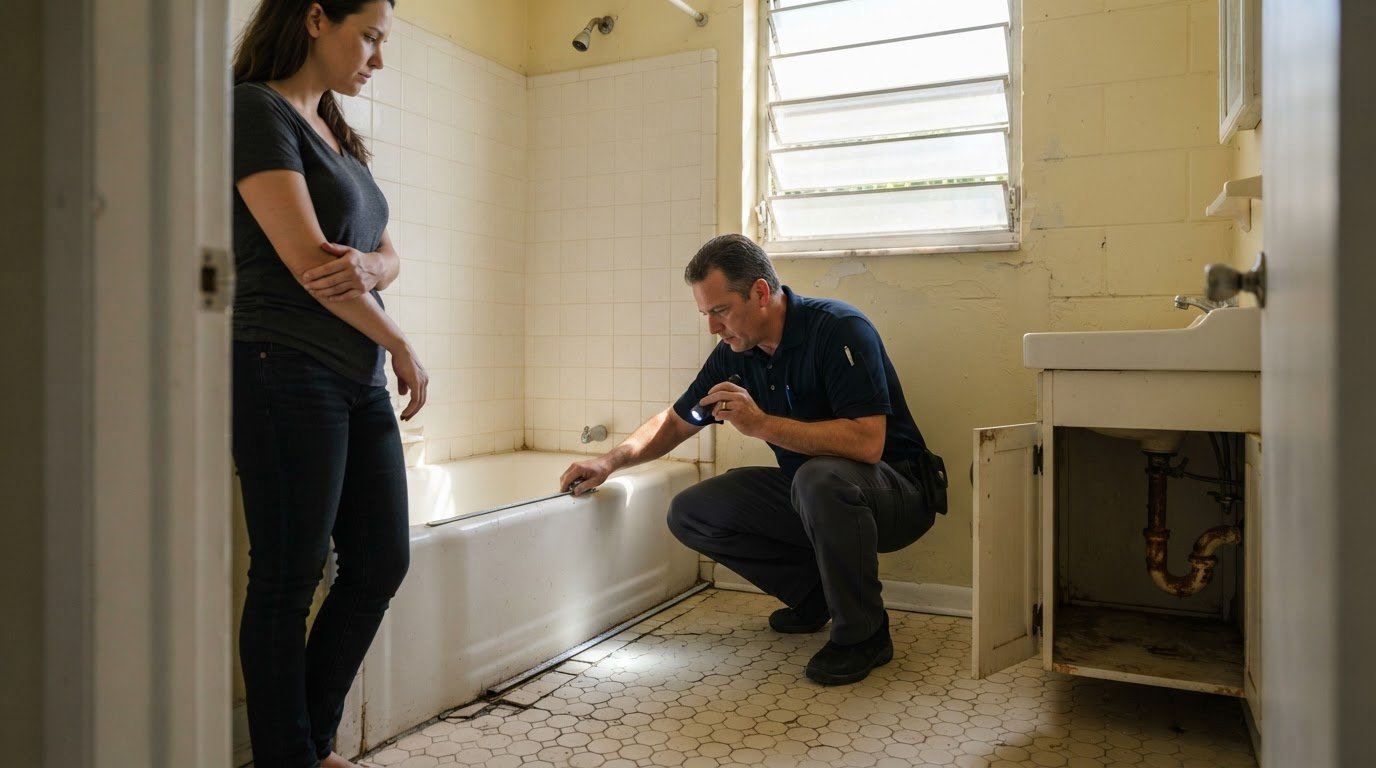
The assessment begins by documenting occupant concerns through discussions with occupants and building services personnel. Before selecting sample locations, the professional considers room use, ventilation, visible moisture, and potential pollutant sources. These steps help distinguish a localized concern from one involving an HVAC system or multiple areas.
Direct readings document conditions during the inspection, while collected air samples can be analyzed in a laboratory. The sampling plan should identify the purpose, location, and timing of each sample. For a room monitor, a placement about 3 to 6 feet above the ground can capture conditions at a relevant height.
Advanced Sampling and Laboratory Analysis
Laboratory methods depend on the sample and analytical objective. Analysis may use EPA TO-15, TO-15 SIM, TO-17, or TO-11A; NIOSH 7400 may apply to other objectives. These methods are not interchangeable, so the selected method should correspond to the contaminant and question under investigation.
An advanced examination may include HVAC interiors, where testing can assess mold, bacteria, or chemicals. A qualified technician uses applicable EPA protocols and documents the sampling approach. Reports are easier to interpret when they connect laboratory findings to sample locations and observed building conditions.
Professional Air-Sample Collection
Professional sample collection aligns locations with occupant concerns, suspected sources, and building conditions. The technician records where and when airborne material is collected. Timing matters because a sample documents conditions at collection, not every condition the home experiences over time.
DIY collection can produce a sample for analysis, but its usefulness depends on location, timing, and procedure. A sample collected far from a suspected source may not address the concern. Professional indoor air quality testing coordinates these decisions with the investigation’s purpose and the selected analytical method.
Choosing a Testing Company
Choose a company that explains how occupant concerns shape the assessment, which measurements or samples address them, and how results will be reported. A clear scope connects each location and laboratory method to a concern, such as a suspected VOC source or HVAC contamination.
For indoor air quality testing, favor a building-specific investigation over a preset panel that may not address the suspected source. The report should distinguish direct readings from laboratory findings and explain how building conditions affect interpretation. This supports an objective assessment, even when the evidence points somewhere unexpected.
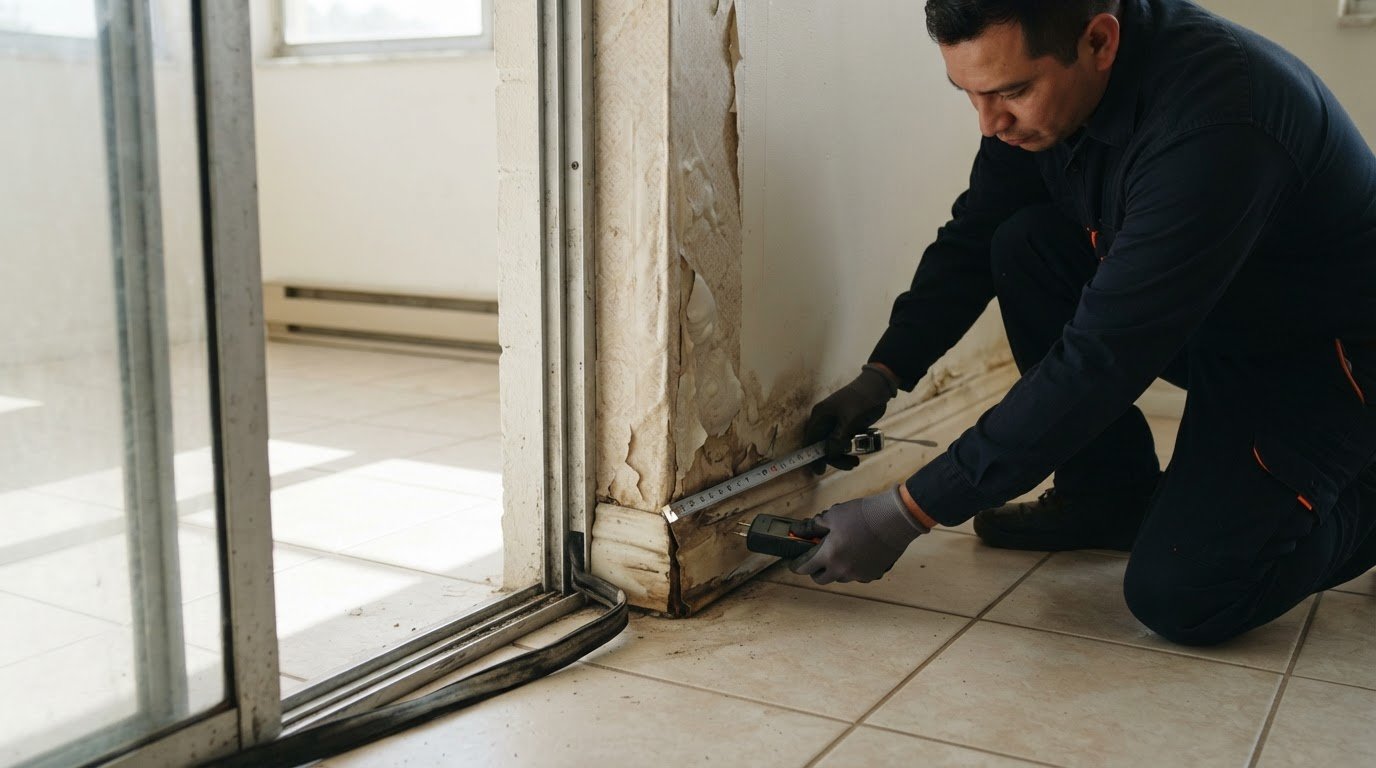
Mold risk and humidity monitoring
Humidity readings and mold air samples can offer useful context when assessing indoor conditions. Neither result alone describes the building’s full moisture history.
Mold Spore Testing
Mold spore testing examines samples collected to investigate whether mold-related particles are present in the sampled area. Location matters: a bedroom sample addresses conditions there, not necessarily a damp basement or HVAC interior. The professional interprets results alongside visible moisture, water damage, and other building conditions.
Sampling captures conditions at a particular moment. A result may not represent conditions before a leak, after drying, or in a room that was not sampled. For example, a sample collected in a dry living area cannot establish whether concealed materials near a past plumbing leak are affected. The assessment should connect sample locations to the reported concern.
Mold Air Testing
Mold air-sample results reflect conditions at a particular time and location, so reports should identify where each sample was collected. Air testing can inform an investigation, but it cannot independently establish the source of moisture or explain every condition in the building. Professionals consider findings alongside humidity readings and observed building conditions.
Humidity provides additional context. Consistent indoor relative humidity above 60% is a mold risk that calls for ventilation or a dehumidifier. A single reading may not show whether elevated humidity persists, so professionals assess readings with room conditions and signs of moisture. For example, dampness near a window or beneath a sink can help direct attention to a localized concern.
Moisture assessment also considers patterns across the property. Readings in a dry hallway may differ from conditions in a bathroom after use or a room affected by water intrusion. Comparing locations helps determine whether a concern is isolated or more widespread. If occupants report respiratory concerns, that information can help define the investigation, but it does not establish mold as the cause.
Interpretation should combine each sample’s location and timing with humidity readings and building observations. This context helps distinguish a measured condition from assumptions about its source or extent.
Indoor air quality testing costs
Indoor air quality testing costs vary with property size, the contaminants assessed, and the methods required. A focused assessment of a specific concern differs from a broader investigation covering several rooms or pollutant types. For example, evaluating suspected VOCs may require a different sampling and analysis plan than measuring humidity or carbon monoxide. Scope the test to answer the relevant question, rather than choosing by panel size alone.
The professional scope also affects the final quote. Building assessment, direct-reading measurements, sample collection, and laboratory analysis each address different evidence. EPA TO-15, TO-17, and other analytical methods may apply depending on the sample and objective. For professional work, the price depends on the case and is provided after a quote request; property size, contaminants analyzed, and required methods shape the cost.
The EPA-related guidance is method-specific rather than a single test for every home. Analytical methods such as EPA TO-15 may be used depending on the sample and objective, while field measurements address other pollutants. The appropriate approach depends on the building, suspected sources, occupant concerns, and contaminants under investigation.
After results identify a concern, improvements should address the source or building condition indicated by the findings. For example, consistent relative humidity above 60% calls for ventilation or a dehumidifier. A result involving VOCs may lead the investigation toward potential product or material sources; the appropriate corrective action depends on the evidence.
Professional indoor air quality testing is available for residential and commercial properties, with the scope based on the building and identified concerns. A location-specific assessment evaluates conditions at the property rather than relying only on a consumer monitor. For a building-specific evaluation, request an indoor air quality assessment.
General Forensic Engineers: Indoor Air Quality Testing
General Forensic Engineers, LLC provides indoor air quality testing to assess building conditions and investigate specific pollutant concerns. The service supports property owners, commercial interests, and attorneys seeking findings grounded in inspection and testing rather than assumptions. Testing and regulated services subject to appropriate licensing and scope.
When air-quality concerns coincide with suspected property damage, an Expert Forensic Damage Assessment can examine the building and evaluate potential causes. The objective is to determine what the evidence supports, even when findings differ from an initial assumption. Residential and Commercial Property Inspections can also provide broader context when concerns involve multiple areas or building systems.
Make the Next Step Evidence-Based
Before commissioning an assessment, define the decision the findings need to inform. Property owners may need an independent evaluation of an indoor concern, while attorneys may need a factual basis for examining potential property damage. A clear objective keeps indoor air quality testing focused on the question at issue, rather than a preferred conclusion.
For plaintiff’s attorneys, an impartial property assessment can clarify observed conditions and evaluate potential causes without presuming what the evidence will show. Relevant property history and documented concerns can provide context for the investigation. Findings may help clarify a dispute, including when they differ from an initial account.
General Forensic Engineers, LLC provides objective property assessments for residential and commercial interests. To discuss an assessment for a property concern, contact General Forensic Engineers, LLC. An evidence-based review can help stakeholders determine an informed next step.
Frequently Asked Questions
Are short-term, one-off tests effective at testing air quality?
Yes, short-term tests can be useful when they target a defined concern during a known period. A 48-hour radon kit, for example, provides a short-term, one-off test rather than an ongoing record. It captures conditions during its sampling window, not every room or later condition. Interpret the result within its stated scope and collection period.
How can a professional check the air quality in your house?
A professional begins by documenting occupant concerns and assessing relevant rooms, materials, and building systems. Indoor air quality testing may combine direct-reading instruments with air samples selected for laboratory analysis. For example, a concern involving an HVAC system may require examination beyond a living-room measurement. Findings should connect the methods and sample locations to the specific building question.
Can professional indoor air quality testing help determine whether your house may be contributing to health symptoms?
Testing can identify measured pollutants or building conditions relevant to reported symptoms, but it cannot diagnose a medical condition. A useful assessment records where and when occupants experience concerns, then compares that information with building observations and test results. For example, findings from one affected room can inform the property investigation without establishing a medical cause.
How does ventilation impact health, well-being, and productivity?
Ventilation brings outdoor air into a building and helps remove or dilute pollutants generated indoors. Poor air exchange can allow carbon dioxide, odors, and other airborne contaminants to accumulate, while effective ventilation supports more stable indoor conditions. Performance depends on the building and its operating systems. Measurements and occupant reports can help identify areas where air movement warrants investigation.
What does indoor air quality testing measure?
Testing measures the pollutants and conditions selected for the investigation. Depending on the instruments and samples used, this may include particulate matter, radon, carbon monoxide, carbon dioxide, VOCs, mold, temperature, and humidity. A consumer monitor detects only the pollutants its sensors measure. The test scope determines which findings can be evaluated and reported.
When should you test indoor air quality at home?
Consider testing when a specific building concern needs evaluation, such as persistent odors, visible moisture, recent remodeling, or occupant complaints associated with particular rooms. Testing may also be appropriate after water intrusion or when an HVAC system is a suspected source. Documenting the concern’s location and timing helps define a relevant assessment rather than relying on an untargeted reading.
Comments