
Forensic Inspection Before Repairs Helps Identify Damage Causes
Repairs can alter or remove evidence needed to determine how property damage occurred. A forensic inspection before repairs is useful when the cause is uncertain, damage may be concealed, or findings could affect repair decisions or a later dispute. It is not limited to major losses or legal claims; the need depends on what must be established before work changes the site.
It is understandable to want damage repaired promptly, especially when it disrupts the use of a home or commercial property. But a repair may address visible symptoms without clarifying whether the underlying cause was weather, material failure, a construction issue, or something else.
This article explains how an inspection documents conditions, evaluates likely causes, and helps determine whether assessment should come before repairs. It also covers what a forensic report can establish and how an independent property assessment can help owners, attorneys, and other stakeholders make decisions based on documented findings rather than assumptions.
Table of Contents
Assessment and documentation of property damage
A structured assessment records visible conditions, inspection history, and evidence that may clarify how damage occurred. The method matters because repairs can change what an engineer can observe.
Inspection History and Visual Assessment
Inspection history is a dated record of reported damage, prior observations, and completed repairs. A visual assessment documents the present condition, location, and pattern of each observed defect.
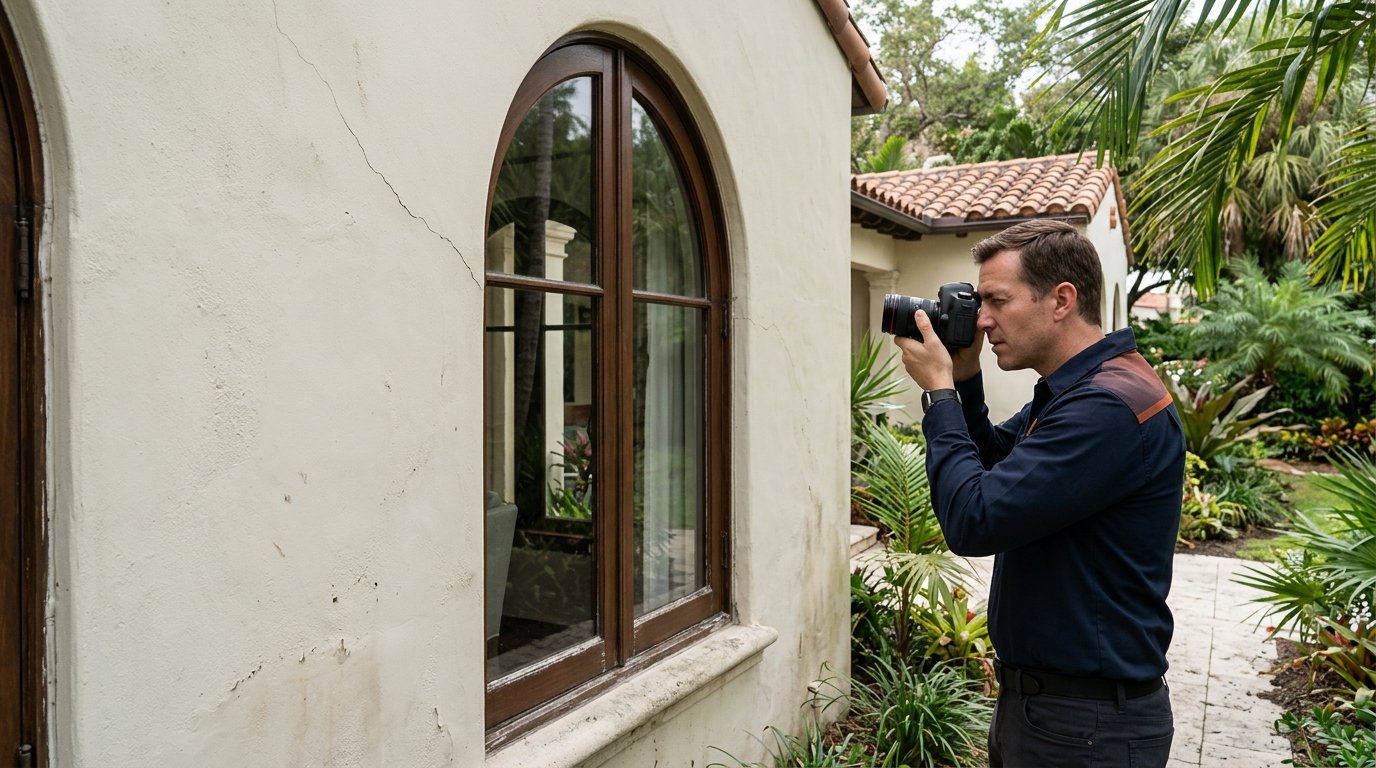
These records help distinguish new damage from earlier conditions. For example, photographs of a recurring ceiling stain can be compared with repair dates and leak reports. An engineer may also inspect nearby areas, including drainage, gutters, terrain, and possible tree impacts. Forensic engineering considers how these observations fit together, rather than treating one visible crack as a complete explanation.
A vehicle assessment applies the same evidentiary discipline to a tire-related incident. The inspection can examine tire condition, fit, wear, and interaction with the vehicle to evaluate the tire’s possible role.
Unbiased Engineering Assessments
An unbiased engineering assessment evaluates physical evidence without assuming which party or cause is responsible. This matters because owners, attorneys, and other stakeholders need findings grounded in observed conditions, even when those findings challenge an initial explanation.
The engineer documents damage patterns, relevant site conditions, and the method used to evaluate them. For a property near mature trees, the assessment may consider root proximity, ground conditions, and damage location together. A tree’s presence alone does not establish causation. The same neutral approach applies when assessing possible construction, material, or weather contributions.
Damage Documentation Rules and Deadlines
Documentation rules and deadlines depend on the state, claim, and governing policy or contract. Across the United States, recording conditions promptly helps preserve evidence before repairs alter it.
Keep dated photographs, inspection notes, repair records, and communications together, tying each item to a location or event. An engineer can use this timeline to compare reported conditions with later observations. State-specific legal deadlines cannot be determined from a physical inspection alone; the relevant claim and governing documents determine which timing requirements apply.
Preserving Materials and Chain of Custody
Material preservation means retaining relevant damaged components with records showing their collection and handling. A documented chain of custody helps establish what was collected, where it came from, and who handled it.
Before removing a damaged item, photograph it in place and record its location and condition. Label and secure each sample separately, then log every transfer and examination. For example, a removed roofing component should remain identifiable as coming from a specific roof area. These records let later reviewers connect laboratory or engineering observations to the original damage rather than rely on an unverified sample.
Distinguishing installation error, material failure, and weather damage
After fire, water, storm, or structural damage, a qualified engineer or forensic consultant with relevant expertise should conduct the inspection. The assessment compares physical evidence with construction details, maintenance history, and event conditions to determine likely causes without presuming fault.
Evaluating Siding and Attic Damage
An evaluation compares siding patterns and attic conditions with the building’s construction. Hail or wind may damage siding differently from deterioration, while attic staining can indicate moisture entry. The inspector relates affected areas to roof edges, penetrations, and interior symptoms. This comparison helps assess whether installation error, material failure, or weather exposure contributed to the damage.
Storm Damage and Pre-Existing Conditions
Assessing storm damage means comparing observed conditions with event timing and earlier records. A storm may expose an existing weakness without causing every defect found afterward. An engineer considers reported leak history, previous roof work, repair locations, and damage patterns. For example, a longstanding stain near a repaired roof area may require a different explanation than newly displaced siding after wind.
Floor-Level Surveys and Damage Mapping
A floor-level survey records elevation changes across a structure and maps them against visible distress. It matters because the distribution of measurements can help determine whether movement aligns with cracks, sticking doors, or sloping floors. A foundation survey may take measurements at intervals of 5-8 feet. The resulting map gives the engineer a consistent basis for comparing areas and evaluating possible movement patterns.
Establishing the Cause of Roof Damage
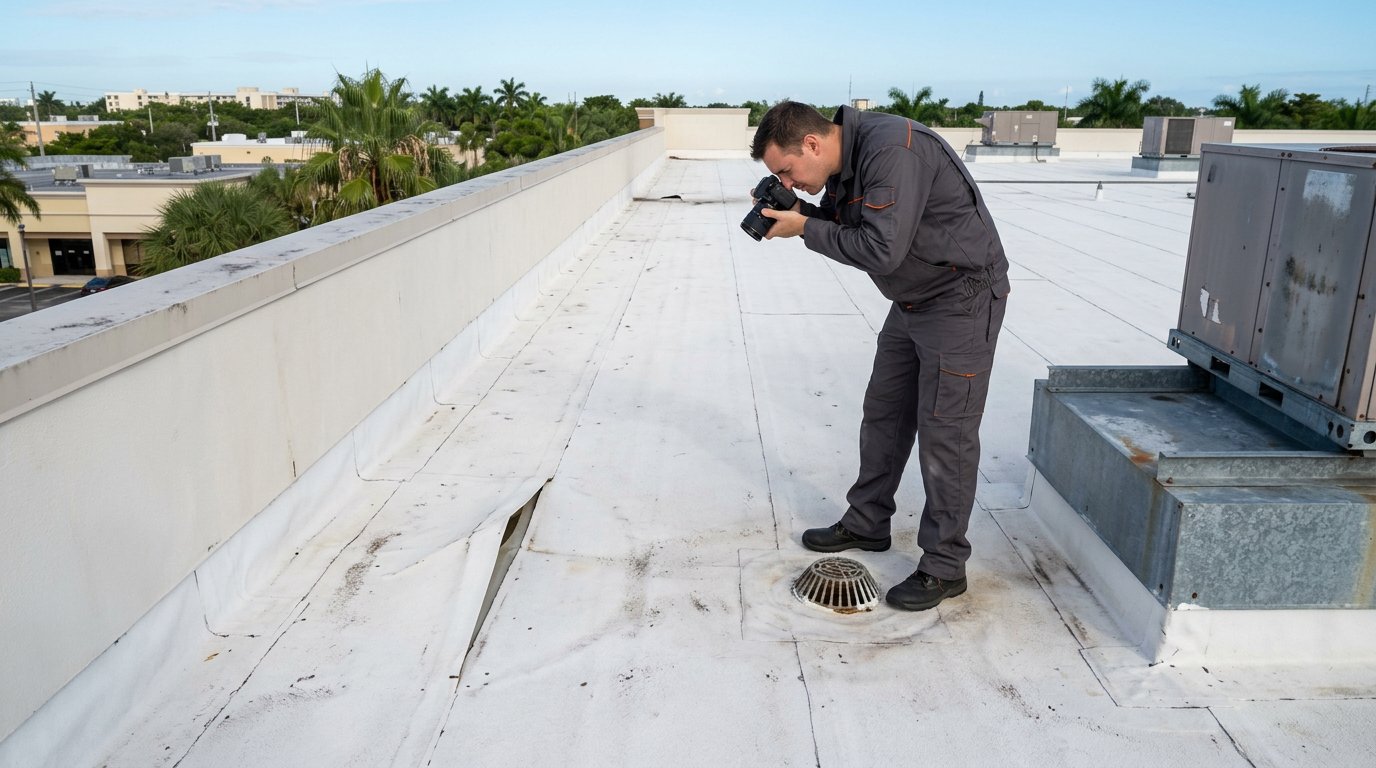
Roof-cause analysis compares damage patterns with installation details, materials, weather, and repair history. It matters because a recurring leak can persist when repairs address interior staining but miss the water-entry point. An engineer evaluates whether evidence supports installation error, material failure, or weather damage, then identifies the likely root cause. A focused forensic damage assessment can document those findings before repairs change the conditions.
What is a Forensic Inspection Report?
A forensic report records evidence, explains the investigative method, and presents conclusions about damage. Its value lies in connecting observed conditions to a reasoned repair scope.
Purpose and Scope of Inspection Reports
A forensic inspection report organizes findings, photographs, methods, conclusions, and recommended work. Property owners and attorneys can use it to trace how an engineer reached an opinion.
Unlike a general home inspection, which describes property condition, a forensic investigation focuses on damage mechanisms and likely causes. An insurance adjuster evaluates a loss for claim handling, while an engineer analyzes physical evidence and construction conditions. For example, a foundation report may discuss movement and potential contributors, then outline repairs when the findings support them.
Benefits and Limitations of Reports
A report provides a documented basis for discussing damage, repair options, and competing explanations. Its conclusions can help stakeholders distinguish observed facts from professional opinion.
However, a report describes the evidence available during the investigation. Repairs completed beforehand may remove or change relevant materials, limiting later examination. Findings also address the inspected conditions and defined scope; they cannot establish facts that were not observable or supported by evidence. The report can inform a claim or dispute, but it does not decide either outcome.
Preparing a Forensic Inspection Report
Report preparation begins by organizing inspection observations, photographs, measurements, and relevant records. The engineer connects each conclusion to evidence and explains the method used.
A clear report identifies damage locations and uses dated, location-specific photographs to show conditions. It describes investigative methods, states conclusions, and recommends work tied to the findings. For example, a roof report may support targeted repairs or replacement, depending on the documented damage. This structure distinguishes direct observations from interpretations and helps readers understand why the proposed scope follows from the investigation.
Inspection and Report Timing
Inspection duration and report preparation time reflect the property, damage, and investigative scope. A forensic roof inspection typically takes 60-90 minutes on-site; report preparation requires separate analysis.
A home inspection or adjuster inspection may serve a different purpose, so its timing is not a reliable guide to forensic work. Complex investigations may involve additional records, testing, or material analysis. Repairing first can alter evidence, including concealed layers or damaged components, and make the cause harder to assess. This risk matters especially when the damage mechanism is disputed.
Forensic inspections before repairs
Repairs can begin before an insurance adjuster or forensic expert inspects, especially when immediate work is needed to limit ongoing damage. Homeowners should first document affected areas, notify the insurer as required by their policy, and preserve removed materials when practical. Emergency work can address active water entry or an unsafe condition, while permanent repairs may wait until the cause and scope are assessed.
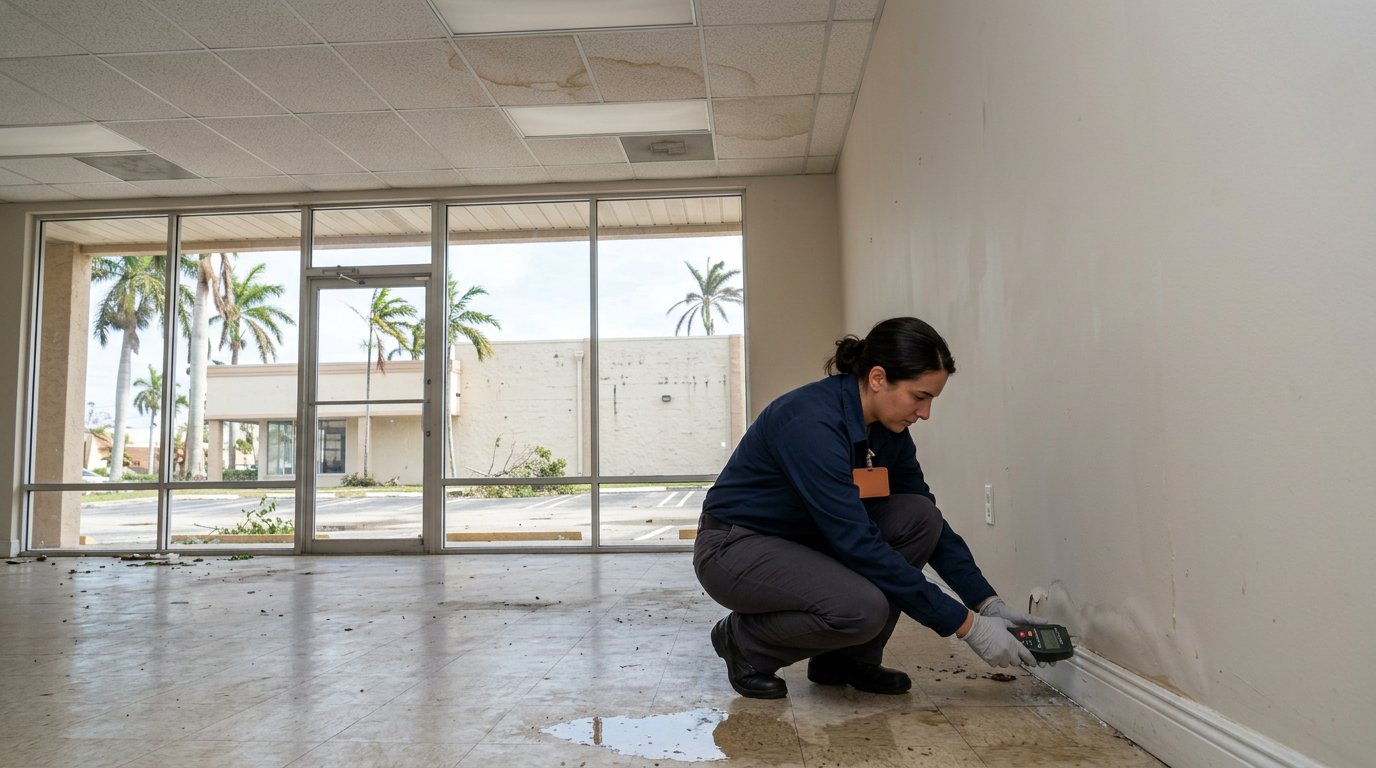
Timing matters most when repairs could conceal structural conditions, moisture pathways, or damaged components. Arrange an inspection before demolition or replacement if the source is disputed, damage extends beyond visible surfaces, or previous repairs have failed. A roof leak, for example, may require tracing water entry before replacing stained interior materials. Prompt documentation gives the engineer a record of conditions before work changes them.
For homeowners and commercial property stakeholders, an inspection helps connect the proposed repair scope to observed damage. Contractors can use documented findings to distinguish work addressing the root cause from work limited to visible symptoms. If several contractors prepare bids, providing each with the same inspection report helps align their scopes. This makes differences in proposed work easier to identify without assuming that one estimate is correct.
When immediate mitigation is necessary, record the condition before work begins whenever circumstances allow. Photograph the affected area from wide and close views, note the date and location, and retain relevant invoices or work records. Ask the contractor to document concealed conditions found during removal, such as wet insulation or deteriorated sheathing. Keep removed materials identifiable when they may help explain the failure.
For structural damage, recurring leaks, or uncertain moisture sources, schedule a forensic inspection before permanent repairs obscure the evidence. An independent assessment can examine observed damage and evaluate likely causes without favoring a particular repair outcome. This can help owners and attorneys understand what the evidence supports and where further investigation may be needed.
Arrange an independent property damage evaluation before permanent work changes conditions relevant to the investigation.
General Forensic Engineers: Expert Forensic Damage Assessment
General Forensic Engineers, LLC conducts Expert Forensic Damage Assessments to document property conditions and evaluate likely damage causes. Property owners, commercial stakeholders, and attorneys can turn to the company when the cause is unclear, repairs may change the evidence, or competing explanations need objective evaluation.
The investigation considers observed conditions and relevant evidence, then reports findings without presuming which party or cause they support. General Forensic Engineers, LLC also performs Pre & Post-Commercial Property Hurricane Assessments, Residential & Commercial Property Inspections, and Recertification & Milestone Inspections. The appropriate scope depends on the property concern and the questions the assessment needs to address.
Define the Next Assessment
Before permanent work proceeds, identify the unresolved decision the investigation needs to address. A forensic inspection before repairs can help preserve relevant conditions and give the assessment a clear purpose. Defining the question first helps property owners and attorneys focus the technical review on causation, repair scope, or documented damage. If urgent mitigation is necessary, distinguish that work from permanent repairs and record conditions as they change.
General Forensic Engineers, LLC provides Expert Forensic Damage Assessment, Pre & Post-Commercial Property Hurricane Assessments, and Residential & Commercial Property Inspections. These services give residential and commercial stakeholders an independent engineering assessment, with conclusions guided by the evidence wherever it leads. Attorneys evaluating a property damage matter can use a defined assessment scope to clarify which physical conditions and causes require investigation.
Bring the property concern and the decision requiring technical assessment into focus. Contact General Forensic Engineers, LLC to discuss an appropriate property assessment. A clear next step can help keep the investigation centered on evidence and support informed decisions about the property.
Frequently Asked Questions
Is It Only for Disputes or Major Losses?
No. A forensic assessment can help with smaller problems when the cause remains uncertain or damage keeps returning. For example, recurring moisture near a window may reflect a flashing issue, failed sealant, or another water pathway. Reviewing the physical evidence can help distinguish these possibilities before a limited repair becomes a repeated expense or a larger property concern.
What Is a Forensic Roof Investigation?
A forensic roof investigation examines roof conditions to determine the likely cause of damage or a persistent leak. The engineer considers leak history, weather before the problem, prior roof work, and the location of previous repairs. Thermal patterns may help identify areas for closer examination, but a shadow or rooftop equipment can create an anomaly that resembles moisture.
What is a forensic inspection before repairs?
A forensic inspection before repairs is an engineering investigation conducted before repair work changes relevant property conditions. It evaluates physical evidence to determine likely damage causes and inform next steps. For instance, an engineer may examine a recurring ceiling stain alongside roof conditions and past repair records, helping distinguish the visible effect from its underlying source.
What evidence should be documented before repairs begin?
Document the damage location, surrounding area, date observed, and changes over time. Photographs should show both the broader context and close details, such as a roof penetration beside a ceiling stain. Retain maintenance records, prior repair documents, and relevant communications. If removal exposes concealed damage, record its location and condition before disposal or replacement.
What should a forensic inspection report include?
A useful report identifies the inspected areas and summarizes observed conditions, dated and location-specific photographs, investigative methods, conclusions, and recommended work. It should distinguish direct observations from the engineer’s interpretations. For example, a roof report can explain why the evidence supports a targeted repair rather than replacement, or why the documented findings warrant broader work.
Comments