
How to Build a Clear Record of Property Damage Evidence
Damage photographs alone rarely tell the full story. Documenting property damage evidence means preserving a clear record of what was affected, its condition, and the circumstances surrounding the loss so the evidence can be assessed in context. A disciplined record helps distinguish observed damage from assumptions about its cause.
Good documentation starts with original photographs and video showing damaged areas, surrounding structures, and areas that appear unaffected. It also includes supporting records, an itemized inventory of damaged belongings, and dated notes or other materials that may clarify the timeline and contributing conditions. This article explains how to capture damage from useful perspectives, organize receipts and property records, record damaged items, and preserve additional evidence relevant to liability or damages. The objective is a coherent, factual account that can withstand careful review by property owners, attorneys, and other stakeholders.
Table of Contents
Photograph damaged and undamaged areas from multiple angles
Photograph the property promptly, when it is safe, and preserve the original files. A consistent visual record helps show the condition, scope of damage, and changes over time.
Establish the Property’s Baseline ConditionKeep baseline photos of the property before the incident, including roofs, walls, ceilings, floors, and major systems. Organize images by room or exterior area, retaining their original dates and file details. After damage occurs, photograph the same locations again. Comparing earlier and later views can help distinguish pre-existing conditions from newly observed damage. Do not rely only on images of damaged areas.
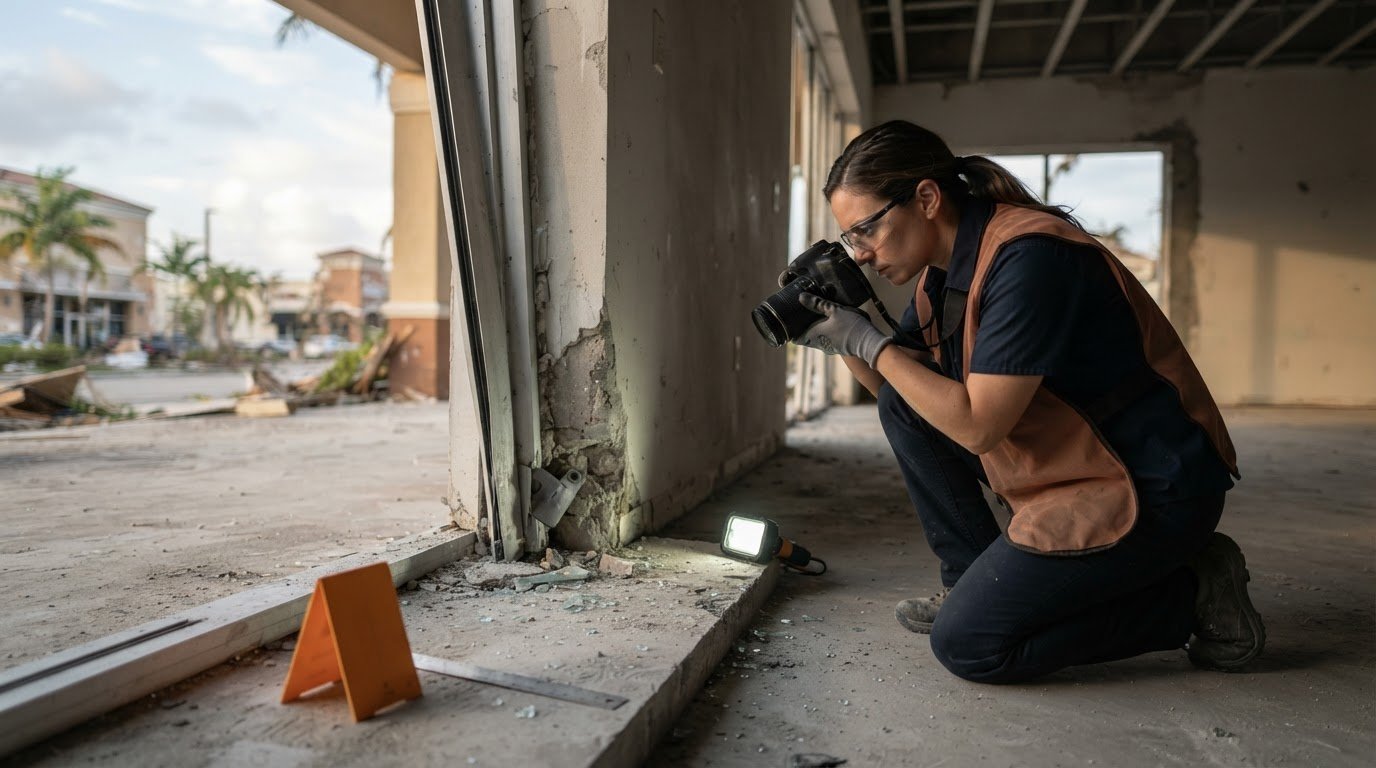
Photograph each affected area in sequence: start with a wide view showing its location, then take a mid-range view connecting it to nearby structures, and finish with a close-up of the details. Include comparable views of areas that appear undamaged. Take photos straight on and from an angle. Place a familiar object nearby if scale needs clarification. As you record video while moving through the property, name each room or area aloud. This gives insurers, attorneys, and reviewers context beyond isolated images.Documenting property damage evidence should begin as soon as conditions allow. State-specific deadlines and claim procedures vary, so identify the applicable requirements for the property and claim. Under 20 CFR § 429.104(d), a claimant must provide required evidence within a reasonable time; according to the Office of the Federal Register, National Archives and Records Administration, if evidence needed to determine the claim is not furnished within 60 days after a request, the claim may be treated as abandoned.
Use Additional Imaging MethodsUse drone mapping to document roofs or other locations that ground-level photos cannot show clearly. Capture the building’s overall layout, then preserve detailed views of relevant sections. Three-dimensional imaging can provide a navigable visual record of connected rooms and surfaces. Organize image files by capture date and location. Aerial or virtual views do not replace close photographs of visible damage.
When safe, photograph damaged materials before moving or removing them. Keep relevant components and debris in their existing condition, and document any necessary changes, such as emergency mitigation. An incident report should identify when the damage occurred or was discovered, its location, observed conditions, people present, and actions taken. Separate observed facts from suspected causes. Add dated notes about subsequent changes so the visual record supports a clear recovery timeline.
Collect receipts, policies, and other supporting documents
For an insurance claim, assemble records showing ownership, prior condition, expenses, and repair scope. Insurers may review policies, receipts, maintenance records, estimates, expert reports, and claim correspondence to assess the loss.
Collect Repair Expenses and EstimatesKeep paid repair receipts and written estimates together, organized by damaged area or expense type. Check that each record identifies the work performed or proposed, the property, and the incident, when available. For example, keep an emergency cleanup invoice separate from an estimate to rebuild a damaged wall. Retain receipts for debris removal, cleaning, temporary living arrangements, and other loss-related expenses.
Compile Other Supporting RecordsGather the policy, declarations pages, endorsements, claim notices, and insurer correspondence in date order. Add purchase receipts, installation invoices, warranties, or bank and credit statements when original receipts are unavailable. A credit statement can support a purchase entry, while a warranty registration may help connect an item to its owner. Keep copies of submitted documents and note their submission dates.
Preserve maintenance records, inspection reports, and earlier repair documents to establish the property’s condition before the incident. Match each record to a location or building system, such as a roof invoice or plumbing inspection. This context helps distinguish prior repairs from current work and gives reviewers a basis for assessing changes. Use dated records rather than summaries recalled from memory.
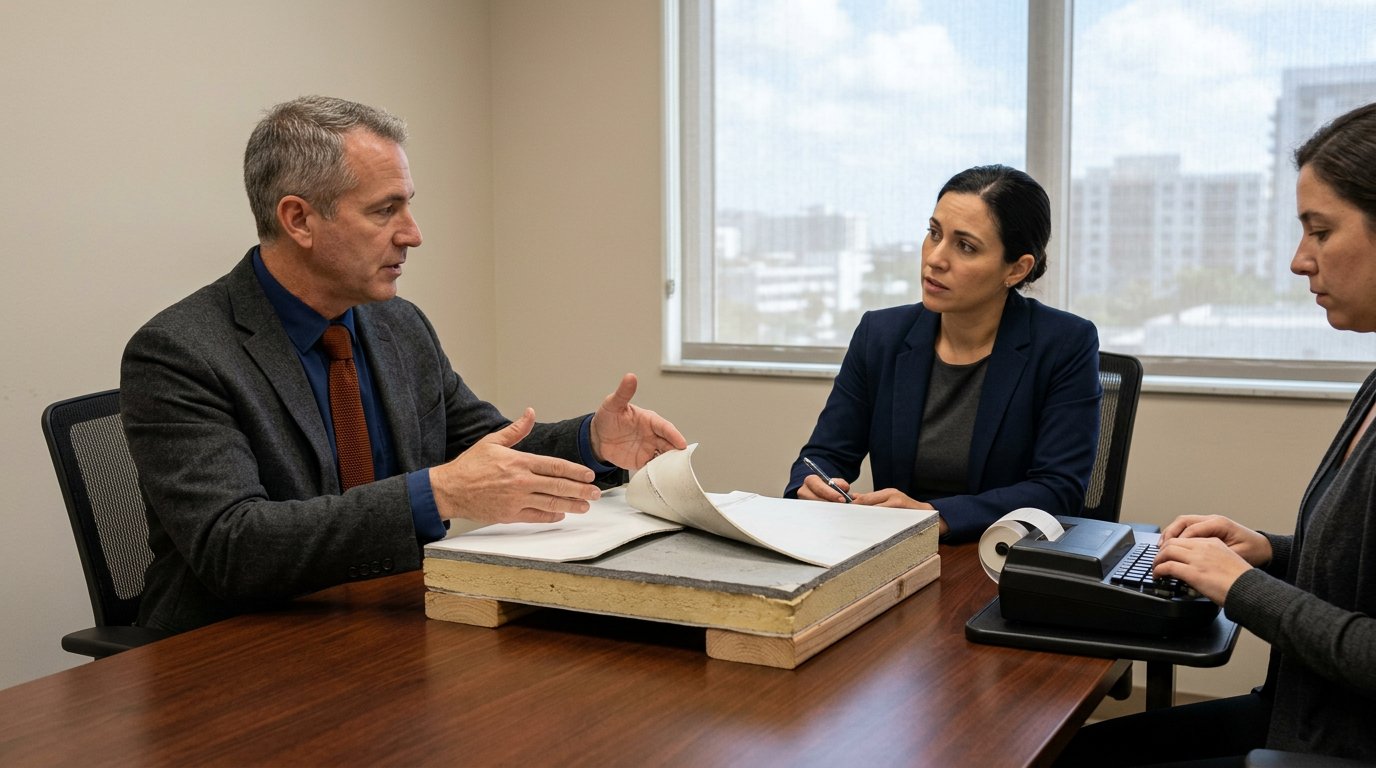
Include expert reports when technical findings help explain damage or disputed causation. Keep the report with related estimates, receipts, and photographs, and note which area or issue it addresses. During a consultation, an expert can assess physical conditions and explain whether observed damage is consistent with a proposed cause. A focused Expert Forensic Damage Assessment can support an objective review when records leave material questions unresolved.
For a property damage claim under 20 CFR § 429.104(a), the claimant may be required to provide proof of ownership, a detailed statement of the amount claimed for each item, and repair receipts or written estimates. Repair documentation may include an itemized receipt for payment of necessary repairs or itemized written estimates of repair costs.
Receipts, financial records, warranties, and installation invoices can help establish ownership and property value. When receipts are unavailable, bank statements and warranty registrations can serve as secondary records.
Create an inventory of damaged personal property
Create a room-by-room list identifying each damaged item, its condition, and available proof of purchase. Attach receipts and repair estimates to the relevant entries so the claim connects items, documents, and requested compensation.
Inventory Damaged Items Room by RoomStart with one room, then work through each affected area in a consistent order. Record the room and item location, such as “living room, west wall” or “kitchen, lower cabinet.” Include damaged belongings and note items moved during cleanup. A room-by-room structure keeps entries distinct and makes it easier to reconcile the inventory with photographs and repair estimates.
Record Each Damaged ItemDescribe each item separately, including its brand, model, features, approximate purchase date, and condition before and after the incident. Record the original cost, if known, and whether a receipt or other proof of purchase is available. Avoid broad entries such as “electronics” when you can name specific items. For example, list a damaged television separately from a game console or speaker.
Link available records to each entry. Attach purchase receipts, electronic order confirmations, credit statements, warranty records, and relevant repair estimates. Label each document with the matching room and item description, then keep a copy in the same digital folder or physical file. If a receipt is missing, note which secondary record supports ownership or value rather than presenting an estimate as proof of purchase.
Record the basis for each estimated value, such as an original receipt, available replacement information, or a written repair estimate. Keep observed damage separate from conclusions about whether an item can be repaired or must be replaced. When practical, preserve damaged property and document its condition before disposal or repair. A detailed inventory gives reviewers a traceable account of what was affected without implying that every item is covered.
Additional evidence bearing on liability or damages
Damage evidence should show not only what changed, but also how the event may have caused it. Dated records, objective observations, and a clear sequence can help explain disputed responsibility and support an assessment of damages.
Build a timeline using dated notes, emails, work orders, and inspection records. Record when the damage was first observed, who was present, and what actions followed. For example, a ceiling stain appearing after nearby plumbing work creates a sequence for review, but does not by itself establish the cause. Separate observations from assumptions and preserve original records.
Document communications with a neighbor, contractor, property manager, or insurer. For each call or conversation, note the date, participants, topics discussed, and any agreed next steps. Save written notices and responses in chronological order. In a dispute, consistent records can clarify what each party knew and when, without relying on unsupported conclusions about responsibility.
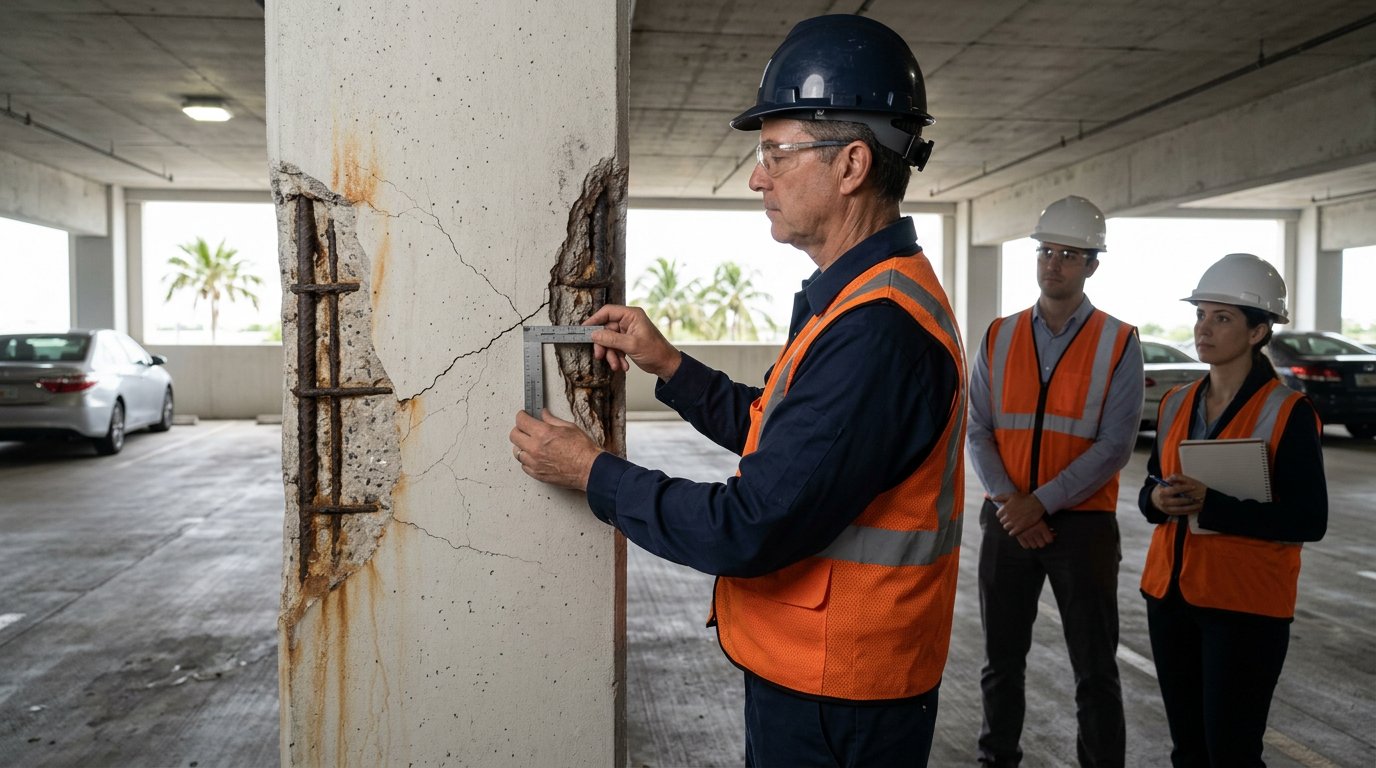
Connect visual evidence to the incident and affected location. Pair dated photographs or video with inspection findings, repair records, and relevant site information. A contractor’s estimate can identify proposed work and its scope; a qualified technical evaluation can assess whether observed damage is consistent with impact, system failure, or another external force. This distinction matters because visible damage alone does not establish causation.
If a neighbor’s activity or a contractor’s work may have caused damage, record the affected area, the reported work or event, and the resulting changes. Preserve relevant messages, contracts, work orders, and repair documentation. When safe, avoid altering or discarding physical evidence before recording it. These steps help attorneys and property owners assess liability, damages, and potential settlement positions using a traceable record.
For a neutral technical review of disputed property damage, discuss an independent damage evaluation.
In Virginia personal injury trials, property damage photographs may be admitted as evidence of the forces of impact that caused injuries. Vehicle and accident-scene photos can preserve evidence for a civil trial and support settlement discussions. Document vehicles, the surrounding area, traffic signs, other objects that may have affected the crash, injuries, skid marks, and traffic signals. These images can support witness testimony and help a jury understand the crash.
When repairing damaged property is not economical, relevant evidence may include its purchase date, purchase price, market value on the date of damage, and salvage value.
General Forensic Engineers
General Forensic Engineers, LLC helps property owners, residential and commercial stakeholders, and attorneys assess damage through objective property evaluations. When records conflict or visible conditions do not establish how damage occurred, an Expert Forensic Damage Assessment examines the property and evaluates potential causes and extent. Residential & Commercial Property Inspections and Pre & Post-Commercial Property Hurricane Assessments assess property condition in their respective contexts.
The goal is an impartial assessment of the available evidence, not a predetermined conclusion. Findings can help stakeholders understand what the physical evidence supports and identify questions that may need further review.
Move Forward With an Evidence-Led Review
A property damage record can do more than support a claim. It can help property owners, attorneys, and other stakeholders separate established facts from unresolved questions and decide what further assessment is appropriate. Careful documentation of property damage evidence keeps conclusions tied to observable conditions rather than assumptions about responsibility or outcome.
When the cause, extent, or significance of damage remains disputed, an independent technical assessment can provide an impartial evaluation of the available evidence. General Forensic Engineers, LLC helps stakeholders assess property conditions and investigate damage without presuming what the findings will show. This measured process can clarify the issues that matter for the next discussion, whether it involves a property owner, a commercial interest, or an attorney evaluating a potential case.
Contact General Forensic Engineers, LLC to discuss the property and the questions that need examination. A clear next step can begin with a focused, evidence-based conversation.
Frequently Asked Questions
What photos and videos should I take of property damage?
Capture images showing damage in relation to the building system or event, not just the affected surface. For a roof leak, document the ceiling stain and, from safe locations, relevant areas above it. A steady video can connect these locations in sequence. Narrate visible conditions, such as discoloration or active dripping, without stating an unverified cause as fact.
Comments