
Property Damage Loss Estimate: How to Prove and Calculate Your Loss
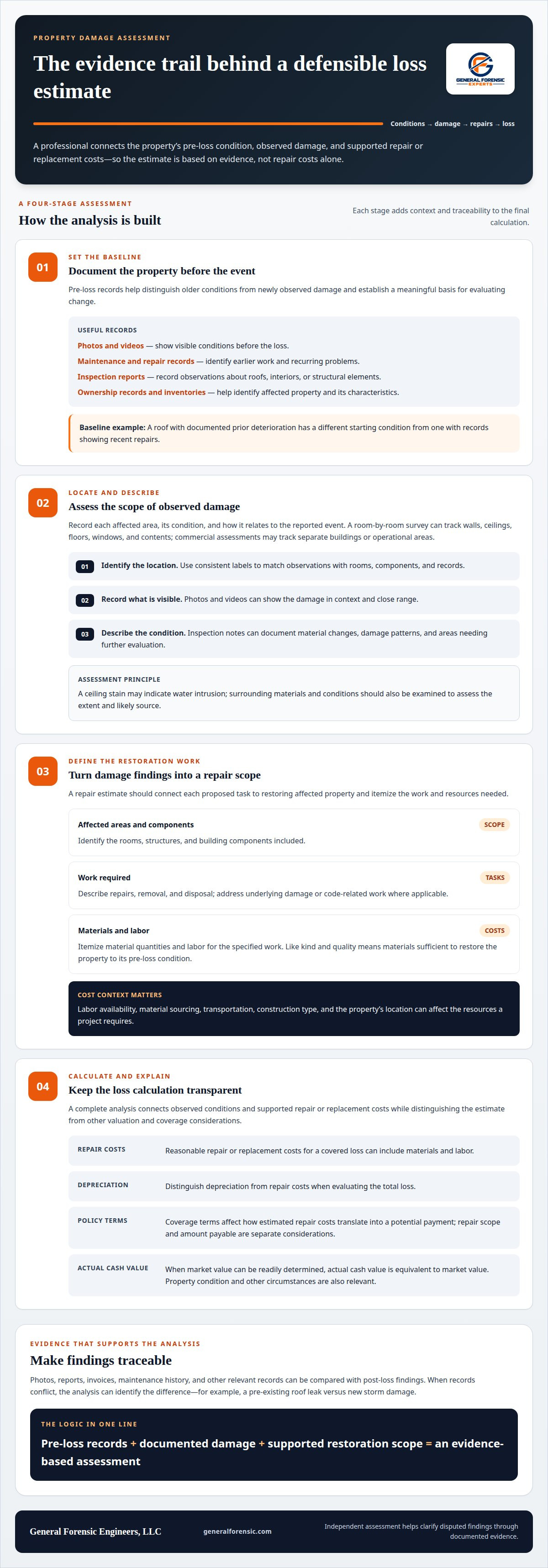
A defensible property damage loss estimate rests on documented pre-loss conditions, a clear assessment of the damage, and supported repair or replacement costs. A professional connects these findings to show what was damaged, how the observed conditions relate to the loss, and how the total was calculated. The result is an evidence-based assessment, not a figure based on repair costs alone.
When a property loss is disputed, owners and attorneys need more than a list of damaged items. A property damage loss estimate should account for the property’s pre-loss condition, the extent of observed damage, and the work needed to restore affected areas.
This article explains how a professional documents baseline conditions, evaluates damage, estimates repair costs, and calculates a loss. It also describes the evidence that can support the analysis and factors that may affect the valuation.
Table of Contents
Documenting pre-loss property condition
A defensible loss analysis starts with the property’s condition before the event. Actual cash value depends on the insured property’s nature, condition, intrinsic value, and other circumstances at the time of loss. A roof with documented prior deterioration has a different baseline from one with records showing recent repairs.
Useful records include dated photos and videos, maintenance records, inspection reports, repair invoices, proof of ownership, and details about the property’s materials and features. These help establish what existed before the event and distinguish older conditions from newly observed damage.
Photographs and videos: Show visible conditions before the loss, such as a ceiling without staining or a wall without cracking.
Maintenance and repair records: Identify earlier work, recurring problems, and the condition of specific building components.
Inspection reports: Provide observations about roofs, interiors, or structural elements recorded before the event.
Ownership records and inventories: Identify affected property and support descriptions of its characteristics and contents.
When a property’s market value can be readily determined, its actual cash value is equivalent to its market value. Other evidence may also be relevant. Under the broad evidence rule, courts may consider any relevant fact or circumstance when estimating loss. Original cost, appraisals, owner valuations, maintenance history, and records of condition can help establish the property’s value and state before the damage.
For Texas insurance claims, documentation may include written descriptions and damage photos, along with an inventory of damaged belongings and estimated replacement values, including sales tax. Receipts for temporary shelter and meals may document related expenses. Organizing records by room, building component, or item makes them easier to compare with observed conditions.
A professional compares the assembled records with post-loss findings. If records conflict, the analysis identifies the difference, such as a pre-existing roof leak versus new storm damage. This gives a property damage loss estimate a traceable factual basis instead of relying on assumptions about the property’s prior condition.
Repair requirements and cost estimates
A repair estimate translates observed damage into defined work, materials, and labor. Each proposed task should connect to restoring the affected property.
Contents of a Damage Estimate
A damage estimate itemizes the work and resources needed for each affected area. This detail helps property owners and attorneys assess whether the proposed scope accounts for the documented damage.
For example, a roof estimate should identify damaged components, necessary removal, replacement materials, and related labor. It should also account for demolition and disposal when required, underlying damage found during repairs, and relevant code-related work. Omitting a room or structure, misstating quantities, or leaving out disposal can make an estimate incomplete.
Reasonable repair or replacement costs for a covered loss can include materials and labor. Like kind and quality means materials sufficient to restore the property to its pre-loss condition. A professional should connect the selected materials and proposed work to that standard, rather than assume any replacement product is equivalent.
Scope: Identify affected rooms, structures, and building components.
Work: Describe needed repairs, removal, and disposal.
Costs: Itemize material quantities and labor for the specified work.
Additional conditions: Address underlying damage or code-related work where applicable.
Location-Based Repair Cost Differences
Local labor and material conditions can affect the work required and its cost. An estimate should reflect the property’s repair context, not an unrelated market.
Labor availability, material sourcing, transportation, and construction type can affect the resources a project requires. A professional considers these conditions alongside the repair scope and property specifications. A general price cannot account for differences between a dense urban area and a remote location.
Policy terms also affect how estimated repair costs translate into a potential payment. The repair scope and the amount payable under coverage are separate considerations.
Before an adjuster inspects, homeowners should limit work to reasonable, necessary repairs that prevent further damage. Temporary repairs and receipts can document the work completed. A clear estimate separates immediate protective work from the repairs needed to restore affected areas.
Assessing the scope of damage
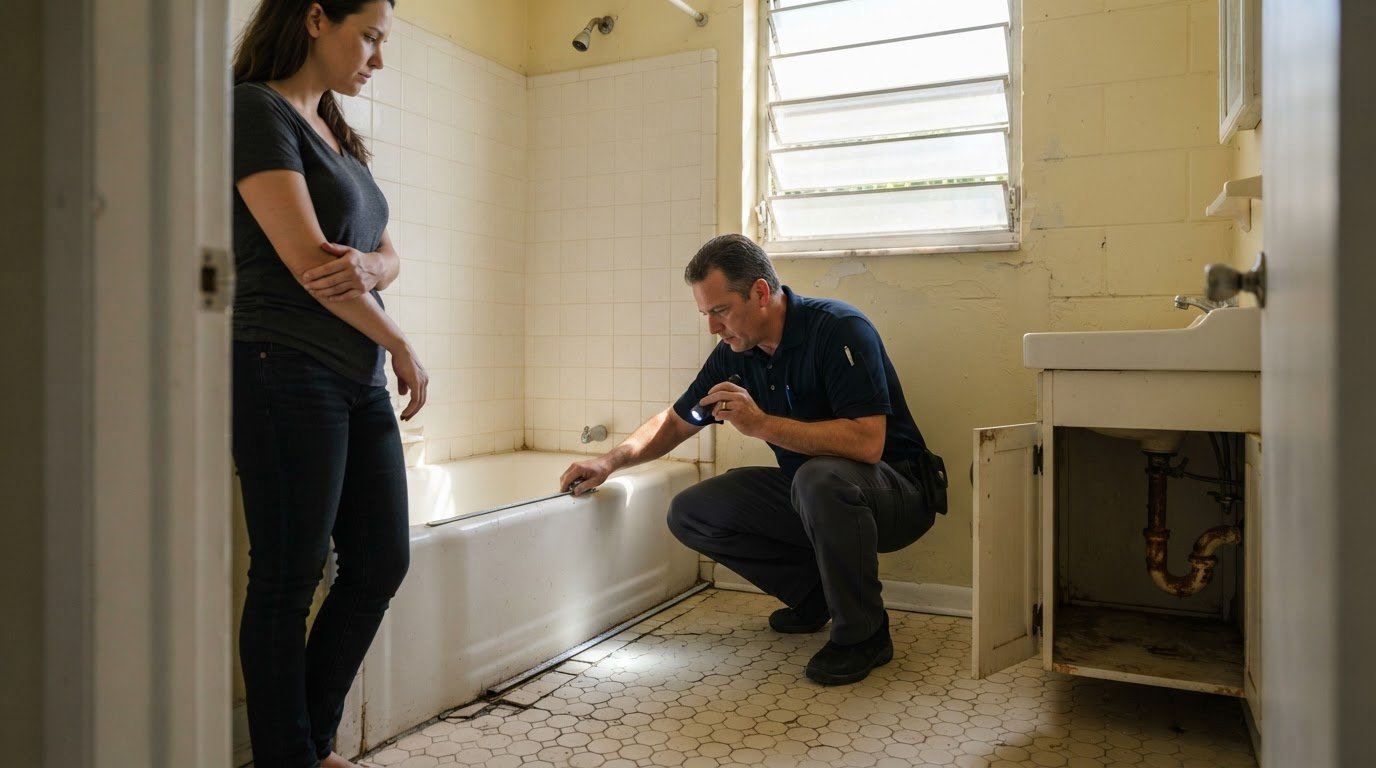
A sound scope identifies each affected area, its observed condition, and its relationship to the reported event. For example, a ceiling stain may indicate water intrusion, but the assessment must examine surrounding materials and conditions to determine the extent and likely source. Recording locations and linking observations to evidence helps distinguish direct damage from unrelated or pre-existing conditions.
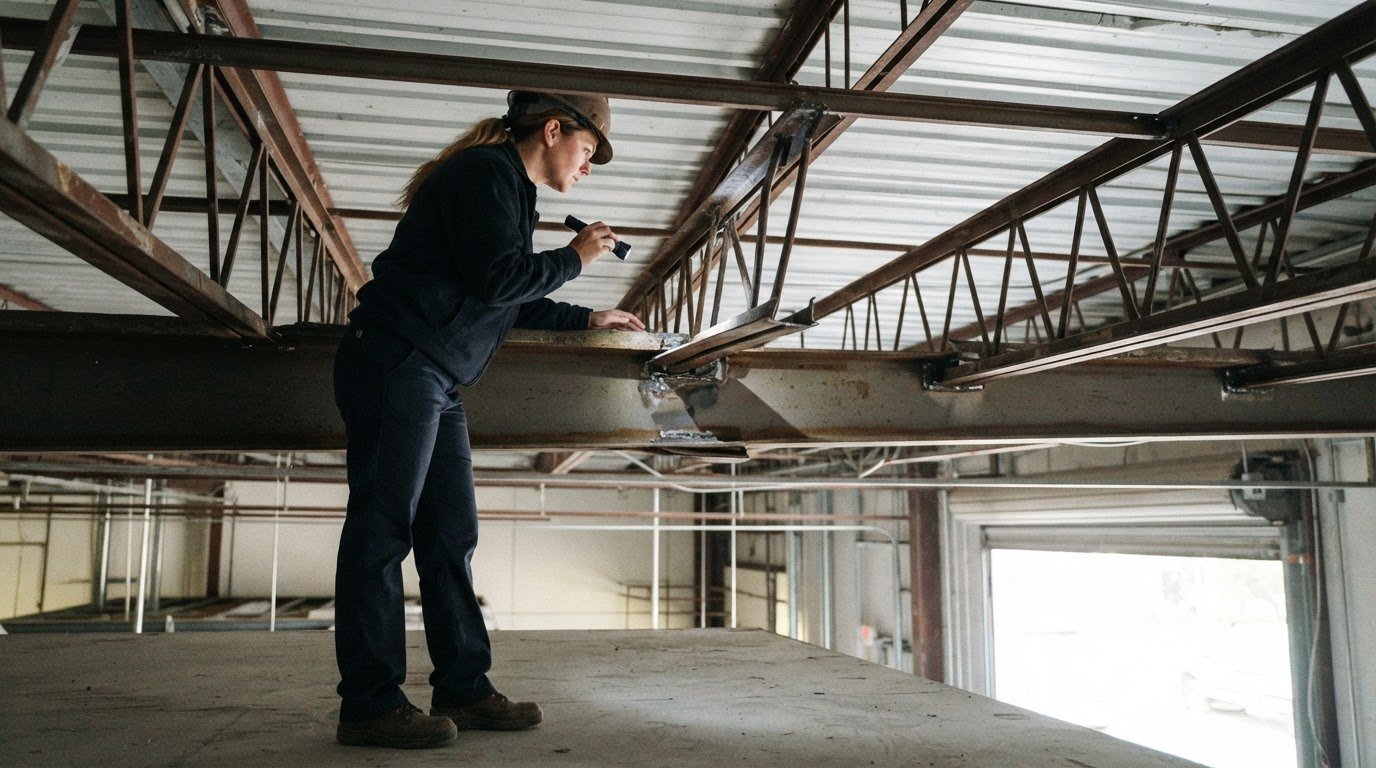
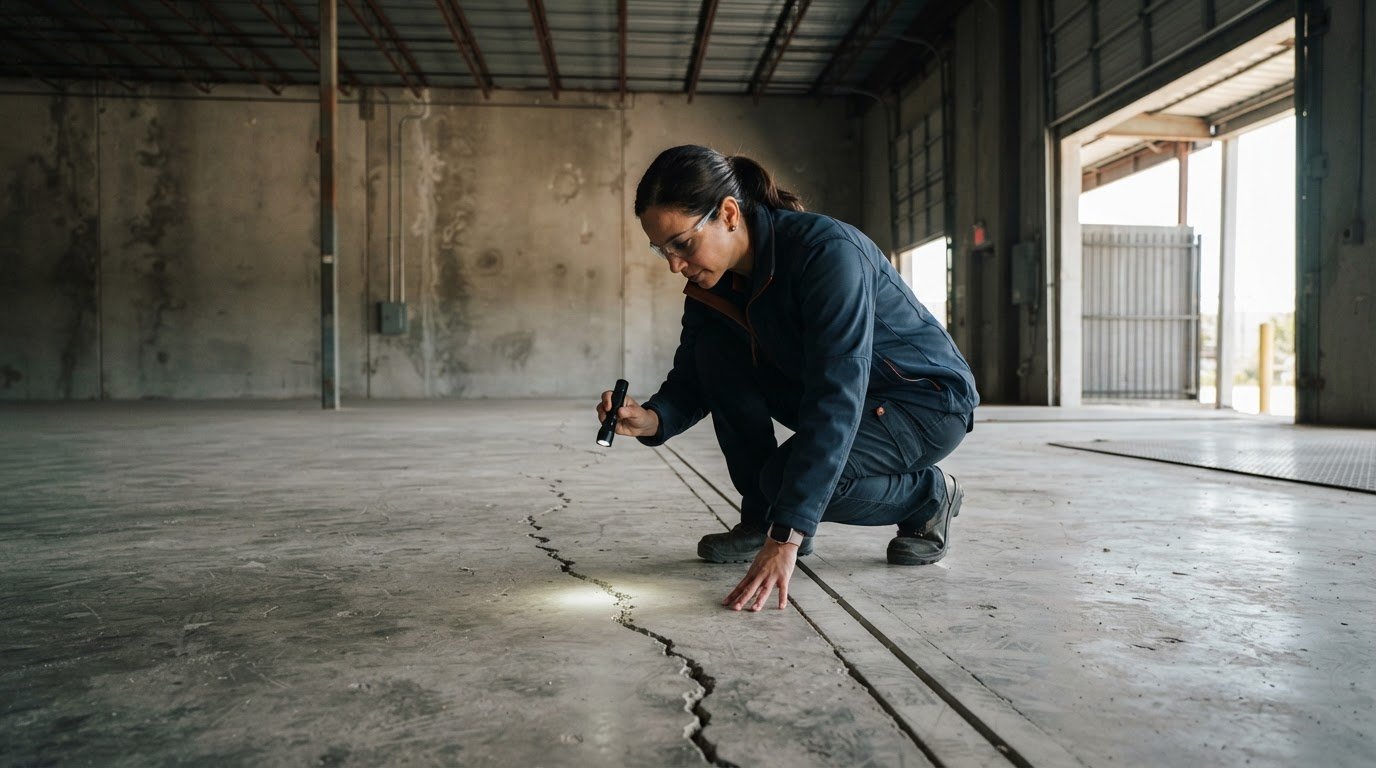
The professional documents damage systematically across the property. A room-by-room survey can record affected walls, ceilings, floors, windows, and contents. A commercial assessment may also track separate buildings or operational areas. Photos and videos show visible conditions; inspection notes describe material changes, damage patterns, and areas needing further evaluation. Consistent labels make it easier to match observations with locations and records.
Photographs and videos: Show damage from context and close range, with locations identified.
Contractor estimates and repair invoices: Describe proposed or completed work and relate it to affected components.
Temporary-repair receipts: Document immediate work intended to limit additional damage.
Maintenance records and proof of ownership: Provide context for prior conditions and identify affected property.
Relevant weather information: Helps evaluate whether reported conditions align with the observed damage pattern.
Evidence is most useful when each item supports a specific observation. For example, an invoice for roof work should correspond to the documented roof area and described damage. If a report notes interior staining, the assessment can examine the roof, exterior openings, and nearby building components for a plausible path of water entry. Discrepancies among photos, reports, and invoices should be identified, not treated as equivalent.
The final scope separates observed damage from conclusions about cause or required work. It records inaccessible or concealed areas because those limits affect what could be evaluated during the inspection. This approach gives owners and attorneys a traceable account of what was examined, the evidence behind each finding, and where further investigation may be needed.
Calculating total property damage
A total loss calculation combines supported repair or replacement costs with the applicable valuation method and policy terms. The estimate distinguishes documented damage value from any insurance payment calculation.
Steps in Calculating a Loss Estimate
A loss estimate turns documented damage into a reasoned valuation of affected property. Each component should be traceable to evidence and a stated method.
The professional first defines the damaged property and estimates reasonable repair or replacement costs. For property that is not totally destroyed, relevant evidence may include repair costs, market value, original cost, and appraisals. The appropriate measure depends on the property and the claim or legal context. A fact finder may draw a just and reasonable inference when a reasonable basis for calculation and the best available evidence support it.
Policy Factors Affecting the Estimate
Policy factors determine how an estimated loss translates into a potential covered payment. According to the Texas Department of Insurance, actual cash value coverage pays replacement cost minus depreciation.
Policy limits can cap payment even when documented damage exceeds the applicable limit. Under replacement-cost coverage, an owner may initially receive actual cash value, then receive an additional payment after qualifying repairs or replacements, subject to policy terms and limits. Depreciation may affect the initial amount and, under actual cash value coverage, may permanently reduce payment.
Inspection and Estimate Timing
Inspection and estimate timing depends on property size, damage complexity, access, and the records needed to evaluate the loss. Concealed damage or multiple structures may require additional examination and analysis.
An inspection may first document visible conditions, while estimating requires review of measurements, repair scope, and supporting records. Missing invoices or inaccessible areas can delay completion because the analysis must establish what evidence supports each conclusion. The time required depends on the investigative scope, not a universal schedule.
For a documented, evidence-based evaluation, request a forensic loss estimate.
General Forensic Engineers, LLC: Loss Estimates
General Forensic Engineers, LLC provides property damage loss estimates and expert forensic damage assessments for property owners, commercial interests, and attorneys evaluating disputed damage. The assessment documents observed conditions, examines the relationship between damage and its potential cause, and supports repair-cost analysis with relevant evidence.
This evaluation can clarify the scope and value of a loss, whether findings support a claim position or reveal gaps in the available evidence. Residential and commercial property inspections, as well as pre- and post-commercial property hurricane assessments, address different assessment needs. The work focuses on findings, not a predetermined outcome, and does not replace insurance claim adjusting or legal representation.
Attorneys evaluating potential property damage cases can use a documented forensic analysis to understand the physical evidence and its limits. Property owners can seek an estimate when damage scope, causation, or repair requirements need objective examination. Contact General Forensic Engineers, LLC to discuss a property loss estimate.
Move Forward With a Clear Assessment
The next step is deciding how to use the property findings in a claim discussion, repair decision, or legal evaluation. A well-supported property damage loss estimate helps stakeholders assess the evidence and identify where further investigation may be needed. Its value comes from transparent analysis, including conclusions that may not align with either party’s initial position.
General Forensic Engineers, LLC provides Expert Forensic Damage Assessment, Pre & Post-Commercial Property Hurricane Assessments, and Residential & Commercial Property Inspections. These services give property owners and attorneys a technical evaluation grounded in observed conditions, not a predetermined outcome.
For a property matter requiring objective assessment, contact General Forensic Engineers, LLC to discuss the next step. A careful evaluation can help bring clarity to a consequential decision.
Frequently Asked Questions
How can a professional help me prove my losses?
A professional can provide an independent technical assessment that documents damage and evaluates its possible cause. This gives property owners and attorneys an evidence-based account to consider alongside photos, repair records, and other claim materials. For example, an assessment can distinguish observed physical conditions from conclusions about causation, clarifying which findings are supported and where evidence remains incomplete.
How does a professional estimate your property damage loss?
A professional evaluates the property and available records, then develops a reasoned damage scope and valuation. The analysis can identify assumptions, limitations, and items requiring further review. If two repair approaches address the same damaged component, for example, the estimate can explain which scope the observed condition supports and why, rather than present an unexplained total.
What if I disagree with the estimate?
Describe the specific disagreement in writing and identify the items or findings at issue. For example, note a room omitted from the scope or an observed condition the estimate does not address, then provide supporting records. A second independent technical assessment can help clarify disputed damage or repair requirements. Policy questions and legal options remain separate from evaluating physical conditions.
What is a property damage loss estimate?
A property damage loss estimate is a documented valuation of damage to real or personal property. It can describe affected items, proposed repairs or replacements, and the reasoning behind the calculated amount. It is not necessarily the same as an insurer’s payment decision or a contractor’s bid. For example, policy terms may affect payment even when the physical repair scope is agreed upon.
What is the average cost to repair common property damage in the United States?
There is no single useful average for repairs across the United States. Costs depend on damage type, scope, materials, labor, and location. A roof repair differs from interior water-damage restoration, and local conditions vary across Miami, Tampa, St. Petersburg, Fort Lauderdale, Key West, Key Largo, Coral Gables, and Doral. A property-specific scope is more informative than a broad national figure.
How do contractors and insurance adjusters estimate property damage?
Contractors generally assess the work and materials needed to complete repairs, while insurance adjusters evaluate a reported loss under the applicable policy. Their documents may differ because they address distinct questions. A contractor may price replacement work, for example, while an adjuster’s estimate also reflects policy provisions. A forensic assessment can independently examine physical damage and repair requirements without deciding coverage.
Comments