
Spotting Severe Thunderstorm Damage: Miami Guide
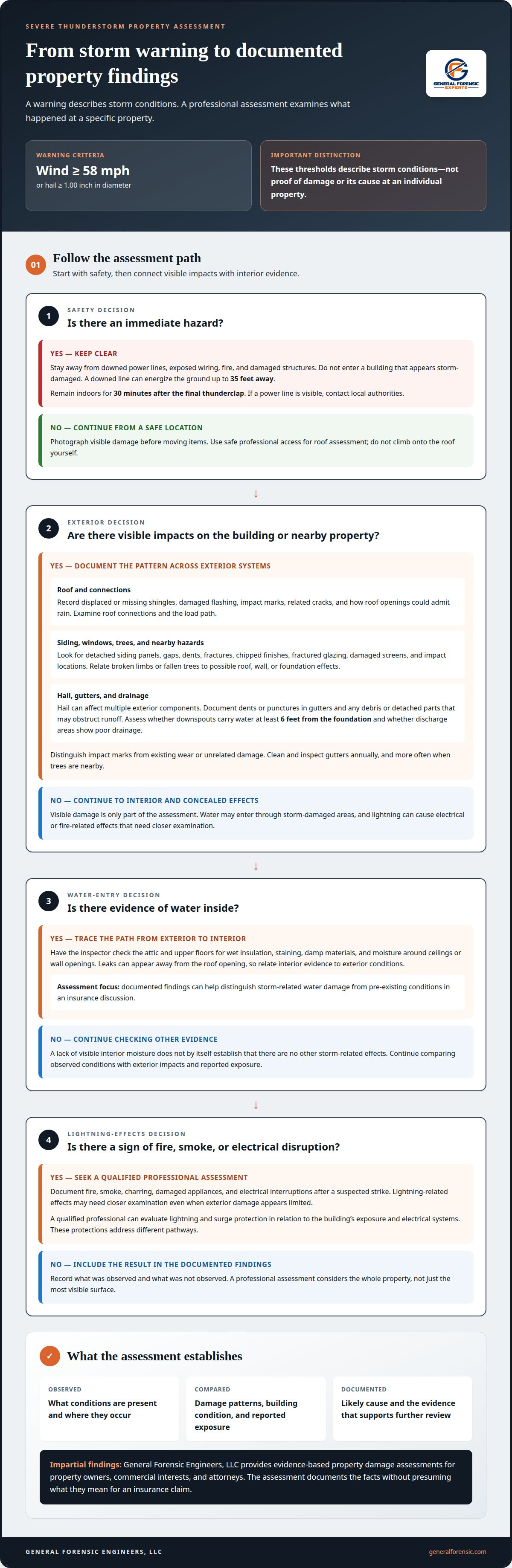
A severe thunderstorm warning describes hazardous conditions, but it doesn’t establish what those conditions did to a specific property. Severe thunderstorm damage and what to look for around your property may include roof or siding impacts, broken windows, water intrusion, fallen branches, or signs of lightning-related fire and electrical damage. The warning criteria include thunderstorm winds of at least 58 mph or hail at least 1.00 inch in diameter.
Visible damage is only part of the assessment. Water can enter through storm-damaged areas, while lightning may cause electrical or fire-related effects that need closer examination. For property owners and attorneys considering an insurance claim, a documented professional assessment can distinguish observed damage, its likely cause, and the evidence that supports further review.
This guide explains what professionals examine after a storm, how they assess hail, wind, lightning, and related damage, and what documentation can inform an insurance discussion. It also explains when a forensic property assessment can help establish the facts without presuming what those findings mean for a claim.
Table of Contents
What Should a Professional Inspect After a Severe Thunderstorm?
A professional inspection connects exterior impacts with interior conditions and potential structural effects. Assessing severe thunderstorm damage and what to look for around your property means documenting observed conditions, not assuming a warning proves damage.
How Professionals Assess Roofs for Wind and Hail DamageArrange a roof assessment using safe professional access, and don’t climb onto the roof yourself. The inspector documents displaced or missing shingles, damaged flashing, impact marks, and related cracks, then considers how openings could admit rain. The assessment also examines roof connections and the load path. For planned upgrades, a structural professional evaluates applicable local wind and snow loads in relation to the building’s existing design.
How Professionals Assess Siding, Trees, and Power LinesHave a professional examine siding for detached panels, gaps, and impact damage, and record nearby tree damage in relation to the building. Broken limbs or a fallen tree can affect the roof, walls, or foundation. Keep clear of downed power lines and contact local authorities if you see one. The assessment documents hazards and visible damage without treating a storm-damaged structure as safe to enter.
How Professionals Check for Water in Attics and Upper FloorsAsk the inspector to trace possible water entry from roof damage into the attic and upper floors. They look for wet insulation, staining, damp materials, and moisture around ceilings or wall openings. Because leaks can appear away from the roof opening, the assessment relates interior evidence to exterior conditions. Documented findings can help distinguish storm-related water damage from pre-existing conditions in an insurance discussion.
Review Severe Thunderstorm Wind and Hail ThresholdsProvide any available storm-warning information alongside observed damage. Base severe-thunderstorm warning criteria include winds of at least 58 mph or hail at least 1.00 inch in diameter. These thresholds describe storm conditions, not proof of damage at an individual property. For severe thunderstorm damage and what to look for around your property, a professional compares the damage pattern, building condition, and reported exposure; a warning alone cannot establish the cause of roof failure or cracks.
Hail damage to roofs, windows, siding, and gutters
Have a professional document hail impacts across the exterior, not just on the most visible surface. The pattern of marks can help show which components were affected.
How Professionals Assess Roofs and Windows for Hail DamageAsk a professional to assess roof surfaces and windows using safe access rather than climbing onto the roof yourself. Hailstones can range from a pea to a grapefruit, and hail at least an inch in diameter can damage roofs, plants, and vehicles. The assessment documents dents, fractured glazing, damaged screens, and impact locations. A national warning describes storm conditions, not the condition of an individual window or roof.
How Professionals Assess Siding and Trim for DamageAsk a professional to examine siding and trim closely for dents, fractures, loosened panels, and chipped finishes. They document each affected area and distinguish impact marks from existing wear or unrelated damage. If only one or two siding panels are damaged, replacement may be possible when matching material is available. This distinction helps homeowners understand whether visible damage is localized or extends across connected exterior materials.
How Professionals Assess Gutters, Downspouts, and DrainageInclude gutters, downspouts, and nearby trees in the exterior assessment. Hail can dent or puncture gutter sections, while debris or detached components can obstruct runoff. The professional evaluates whether downspouts carry water at least six feet from the foundation and whether discharge areas show signs of poor drainage. Clean and inspect gutters annually, and more often when trees are nearby. The findings connect exterior impacts with potential water pathways.
When hail damage spans multiple exterior systems, a forensic damage assessment can document the observed conditions and their extent.
Lightning-related fire and electrical hazards
After the storm threat ends, keep people away from fire, damaged structures, exposed wiring, and downed power lines. Photograph visible damage before moving items, then seek a professional assessment if you suspect fire, electrical, or structural damage.
Wait until lightning and falling debris no longer pose immediate hazards before approaching affected areas. Remain indoors for 30 minutes after the final thunderclap. Stay away from downed power lines and contact local authorities if one is visible; a line can energize the ground up to 35 feet away. Do not enter a building that appears storm-damaged.
Look for fire, smoke, charring, damaged appliances, and electrical interruptions after a suspected strike. Lightning can cause these effects even when exterior damage appears limited. The National Weather Service estimates a person has about a 1 in 15,300 chance of being struck during their lifetime. Lightning strikes the United States about 25 million times a year and kills about 20 people each year.
Have a qualified professional evaluate lightning and surge protection in relation to the building’s exposure and electrical systems. Lightning protection systems and surge protection address different pathways: one is designed to manage strike current, while the other helps protect connected equipment from electrical surges. After a strike, avoid touching damaged electrical equipment. Record visible effects from a safe location and report hazards to the appropriate authorities.
Include vehicles in the storm-damage record. Hail can dent body panels or break windows, while nearby electrical damage may warrant professional review before equipment is used. If it is safe, photograph affected items before moving them. Make temporary repairs only when conditions permit and the work presents no hazard; covering an opening can limit further water intrusion. Seek a professional assessment when damage affects structural components or electrical systems.
Thunderstorm and severe-weather property damage
Severe weather can affect a property through connected mechanisms. A sound inspection distinguishes direct impact, wind-driven rain, and flooding before damage is attributed or discussed with an insurer.
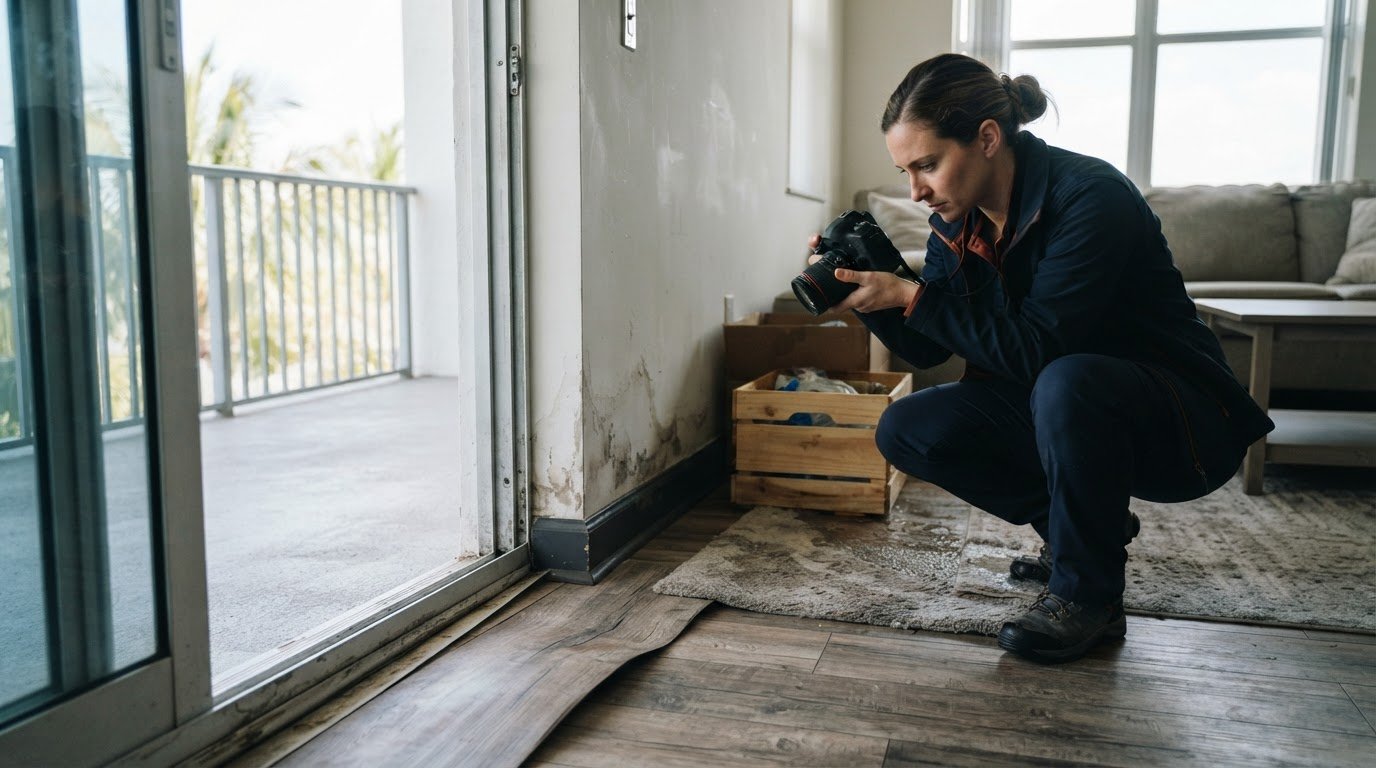
If it’s safe, document conditions before moving damaged items or starting emergency repairs. Photograph each affected area, note its location, and record details such as a ceiling stain below a roof opening. These observations preserve the visible sequence of storm damage. During the initial inspection, keep clear of unstable buildings, exposed wiring, broken glass, and other hazards. Assessing severe thunderstorm damage and what to look for around your property starts with separating observations from assumptions.
Ask the inspector to distinguish water entering through storm-damaged openings from water entering at ground level. Wind-driven rain may travel from an exterior breach into concealed building cavities, while flooding can affect lower walls, floors, and contents. The location and pattern of moisture, material damage, and storm exposure help assess possible pathways. Heavy rain alone does not establish how water entered a particular building, so the evaluator considers the physical evidence together.
Review your insurance policy and contact your insurer for guidance if storm damage may be covered. Homeowners insurance generally helps cover property damage caused by wind, lightning, and hail; weather-related flooding is generally addressed by flood insurance. Coverage depends on policy terms and the circumstances of the damage. Preserve photographs, notes, and records of necessary temporary repairs for the claim discussion.
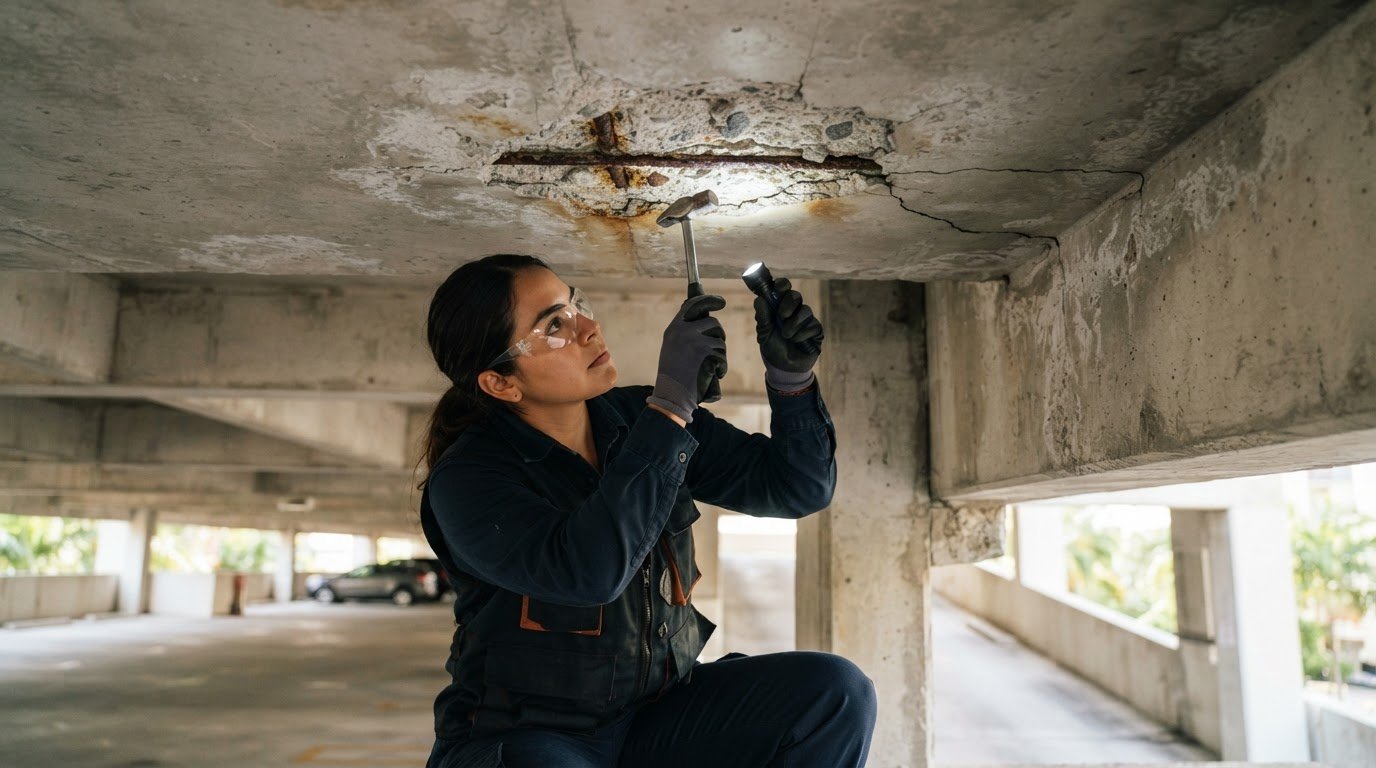
Arrange a professional assessment when damage appears structural, water intrusion continues, or the cause remains disputed. For severe thunderstorm damage and what to look for around your property, an impartial assessment can connect observed conditions with likely damage mechanisms without presuming the conclusion. Property owners, commercial stakeholders, and attorneys can use documented findings to understand the evidence and inform next steps. For storm-related damage, request an objective property assessment.
General Forensic Engineers
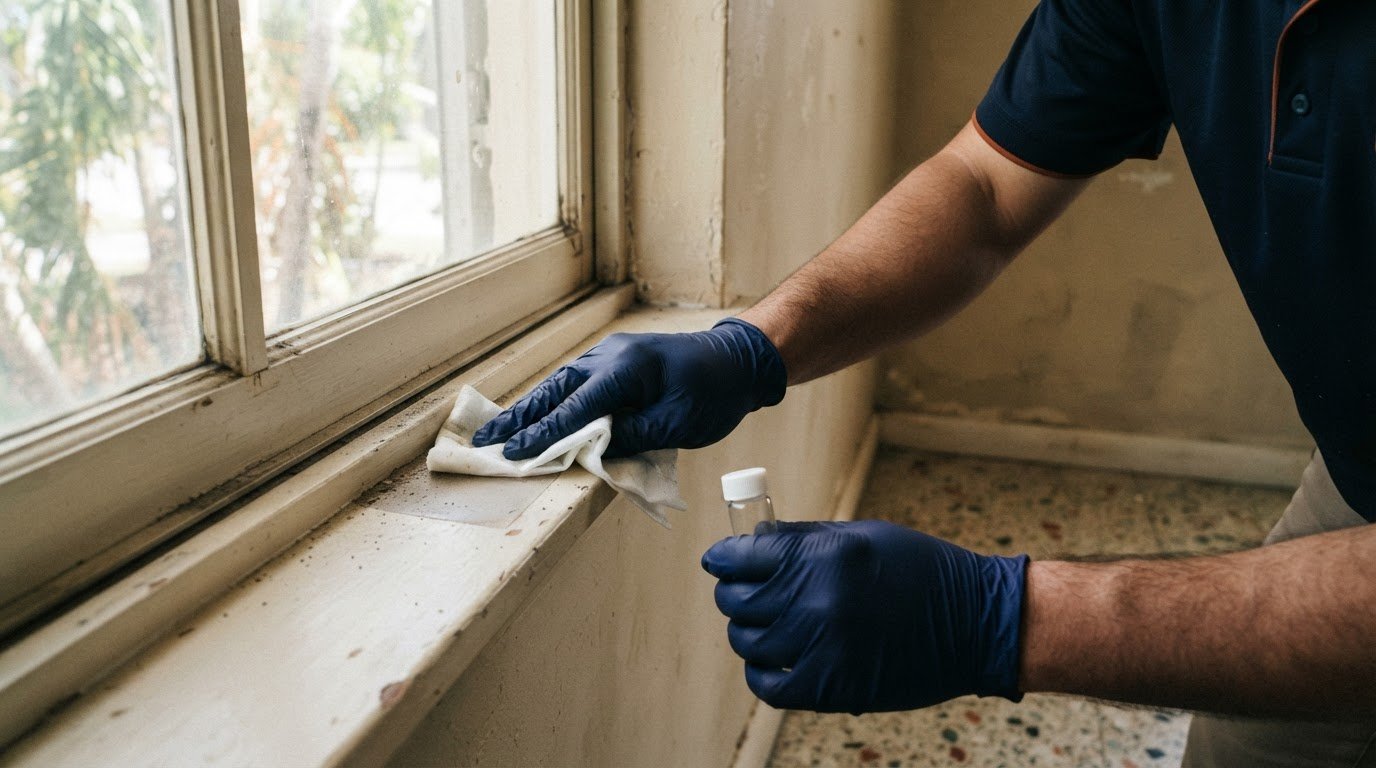
General Forensic Engineers, LLC helps property owners, commercial stakeholders, and attorneys understand the physical evidence after severe thunderstorm damage. Its Expert Forensic Damage Assessment and Residential & Commercial Property Inspections examine affected conditions and help identify the cause and extent of damage. Findings are evidence-based, not shaped by assumptions about where an insurance dispute should lead.
Consider an assessment when wind, hail, lightning, or water intrusion has affected a property, when damage appears interconnected, or when the cause is disputed. A documented evaluation can give owners and legal teams a clearer basis for considering next steps. General Forensic Engineers, LLC provides property assessments, not insurance claim adjusting or legal representation.
Contact General Forensic Engineers, LLC to discuss an assessment of storm-related property damage.
Use the Findings to Determine Your Next Step
An assessment is most useful when it clarifies the evidence, even if the findings differ from initial expectations. A careful record of severe thunderstorm damage and what to look for around your property can help owners, commercial stakeholders, and attorneys make informed decisions without presuming a claim outcome.
General Forensic Engineers, LLC provides impartial property evaluations focused on observed conditions and their likely causes. Its findings can help property owners and legal teams understand the physical evidence and consider appropriate next steps.
Plaintiff’s attorneys working with property owners can contact General Forensic Engineers, LLC to discuss an assessment. Clear evidence can support a more informed path forward.
Frequently Asked Questions
What About an Insurance Claim?
Contact your insurer to report suspected storm damage and ask about the claim process. Keep a dated record of communications, photographs, and receipts for temporary repairs, while separating observed damage from assumptions about its cause. Inspection documentation may assist claim evaluation, but does not establish coverage or guarantee claim approval or payment. Coverage decisions depend on policy terms and applicable facts, including whether the loss involved wind, hail, or flooding.
What About the Roof?
Have a qualified professional assess the roof if you see visible damage or suspect a leak. Don’t climb onto it to investigate. A useful assessment considers whether damage appears localized or extends across roof sections, and whether interior signs align with exterior conditions. For example, a ceiling stain beneath a damaged roof area can guide further investigation, but the stain alone does not establish when or how water entered.
When Should You Call a Professional?
Arrange a professional assessment when damage affects multiple building systems, its cause is disputed, or a leak or structural concern remains after the storm. This is especially useful when property owners, insurers, or attorneys need an evidence-based account of a building’s condition. A forensic assessment evaluates physical evidence and documents findings; it does not adjust insurance claims or determine legal responsibility.
What are the signs of severe thunderstorm damage to a roof, siding, windows, and gutters?
Look for visible changes such as lifted or missing shingles, dented metal flashing, loose siding, cracked window glass, and separated gutter joints. On a Miami property, compare affected areas with nearby surfaces that appear undamaged. A single mark may have more than one possible cause, so the overall pattern, location, and condition of connected materials matter more than an isolated defect.
How can a professional identify hail damage to shingles, vents, siding, and outdoor equipment?
A professional evaluates the location, distribution, and characteristics of impact marks across different materials. Dents on metal vents or outdoor equipment, alongside marks on nearby shingles and siding, may form a broader pattern for assessment. The evaluator also considers whether wear, prior repairs, or other conditions could explain individual marks. Comparing affected and less-affected surfaces helps distinguish observations from conclusions about cause.
What signs indicate wind damage, fallen trees, or structural damage around a property?
Look for displaced exterior materials, fallen limbs, damaged fences, and new separation or distortion around building openings. A door that suddenly sticks or a window frame that appears shifted may warrant closer evaluation, particularly alongside other changes. Keep away from unstable trees and visibly compromised structures. A professional can assess whether observed conditions are connected and affect the building’s structural integrity.
Comments